
Integrated Security Systems vs. Standalone: Why Bangladesh Enterprises Need a Unified Platform
Author
SSAL Expert TeamPublished
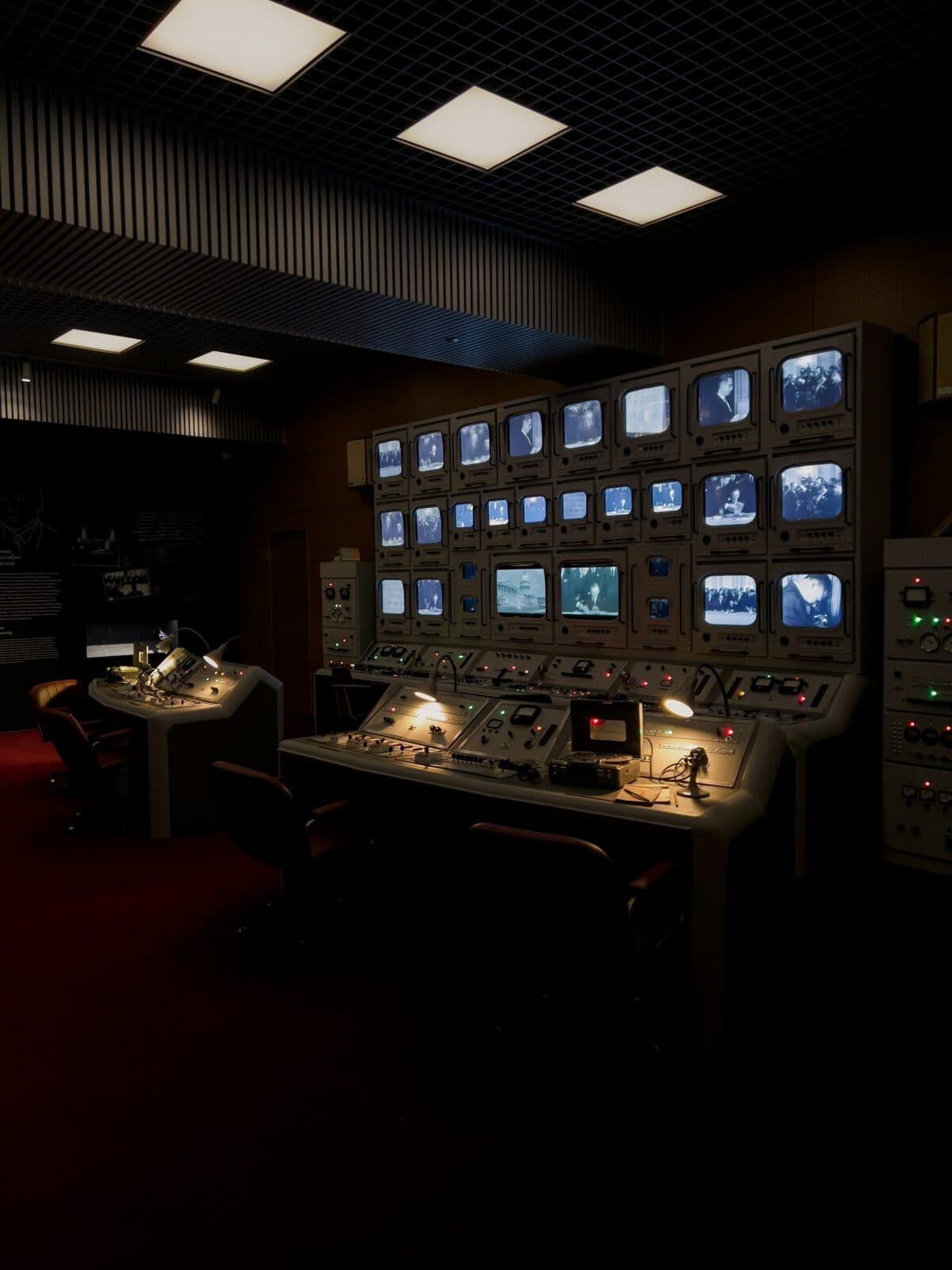
Walk into the security control room of a typical large commercial building, bank headquarters, or factory in Bangladesh, and you will often find the same scene: multiple monitors showing CCTV feeds from different NVR systems, a separate computer running the access control software, an alarm panel mounted on the wall with its own interface, and — in buildings with better fire safety infrastructure — a fire alarm control panel that communicates with no other system. Four to six separate systems, four to six separate interfaces, and one or two overwhelmed guards trying to monitor all of them simultaneously.
This is standalone security infrastructure. It was how all security systems worked before networked technology made integration practical and affordable. For a small shop with 4 cameras and a simple alarm, standalone systems are still appropriate. For a bank branch, a hospital, a large commercial office, or a factory with hundreds of workers and assets worth crores of taka, standalone systems create dangerous blind spots, operational inefficiency, and response delays. This article explains why, and what an integrated security platform can do differently.
How Standalone Systems Work — and Where They Fail
A standalone security system means each subsystem operates independently. The CCTV NVR records camera feeds and allows footage review — but it has no connection to the access control system. The access control panel manages door access and generates access logs — but those logs are only viewable through the access control software and are never correlated with camera footage automatically. The intruder alarm panel monitors door contacts and motion detectors — but when it triggers, the CCTV does not automatically point cameras at the relevant area.
The practical failures of standalone systems are significant:
Slow incident investigation — When a security incident occurs, the investigator must manually correlate access control logs, CCTV footage, and alarm records from three separate systems to reconstruct what happened, when, and who was involved. In a well-integrated system, this correlation happens automatically when an event is flagged. In a standalone environment, it can take hours of manual work by a trained investigator — time the organisation does not always have.
Delayed response to active incidents — When an alarm sounds in a standalone environment, the guard must check the alarm panel to identify the trigger, then manually navigate to the relevant camera in the CCTV system, then manually contact the access control operator if a lockdown is needed. Each of these steps takes 15-30 seconds under pressure. By the time the guard has done all three, the incident may have progressed significantly.
Multiple log-in systems — Guards and security managers must maintain active sessions in multiple software systems simultaneously. Switching between systems in response to an event takes time and risks missing other events in the systems not currently in focus.
No automated responses — Standalone systems cannot respond to events automatically. Every response requires a human decision to move from one system to another. Integration enables pre-programmed automatic responses that execute faster than any human can.
Difficult system health monitoring — Are all cameras recording? Is the access control panel communicating? Are the alarm detectors healthy? In a standalone environment, the answer to each question requires checking a different system. Important system health issues may go unnoticed until a failure becomes critical.
What Integration Means: CCTV + Access Control + Alarm + Fire + BMS on One Platform
An integrated security system — sometimes called a unified security platform or PSim (Physical Security Information Management) — connects all security subsystems through a common software layer that enables:
- Single-pane-of-glass monitoring: All subsystems visible and manageable from one interface
- Event correlation: Events from different subsystems linked automatically (access control badge event linked to the camera footage of that door at that moment)
- Automated response rules: Pre-programmed rules that trigger actions across subsystems in response to events
- Unified reporting: Security reports that draw on all subsystems simultaneously
- Consolidated audit trail: A single chronological record of all security events, regardless of subsystem origin
The integration is typically delivered through a video management system (VMS) or physical security information management (PSIM) platform that speaks to each subsystem through standardised protocols or manufacturer-specific APIs.
Practical Integration Scenarios: What Happens When Systems Talk
Integration value is best understood through specific scenarios. These are real operational scenarios relevant to Bangladesh enterprises:
Scenario 1: Fire Alarm Triggers CCTV Response
A smoke detector activates in the server room of a bank head office. In a standalone system, the fire alarm panel activates, the alarm sounders start, and the security guard hears the alarm while watching the CCTV screens — but must manually navigate to the server room camera feed to see what is happening.
In an integrated system: the fire alarm event is received by the integration platform, which automatically:
- Switches the guard's primary CCTV monitor to the server room camera
- Starts a dedicated recording of the server room camera at highest quality (regardless of normal recording settings)
- Sends an alert to the security manager's mobile phone with the alarm details
- Notifies the IT manager responsible for the server room
The guard sees the server room situation immediately. If smoke is clearly visible, they can call the fire brigade while evacuating. If the alarm is a false activation (common with new servers generating heat), they see immediately and can investigate without evacuating the building unnecessarily.
Scenario 2: Access Control Breach Triggers Lockdown
An employee's access card is cloned and used to attempt access to the treasury floor of a bank after working hours. The access control system registers an unusual after-hours access attempt. In a standalone system, this access log entry sits in the access control database, visible to whoever reviews access logs the next morning.
In an integrated system: the after-hours access attempt in a high-security zone triggers an automated rule that:
- Flags the event on the guard's monitoring screen immediately
- Switches the camera covering the treasury access door to the guard's primary monitor
- Locks adjacent doors, preventing further movement into the treasury without supervisor override
- Sends an alert to the on-call security manager and the bank's security operations team
The guard responds to a visual alert and can see the intruder on camera in real time. The lockdown gives them time to alert police and respond before the intruder can reach the vault.
Scenario 3: CCTV Motion Detection Triggers Alarm
A CCTV camera with analytics detects a person in a restricted manufacturing area after working hours. The camera's motion/person detection triggers the alarm system directly through integration.
Without integration, after-hours motion on a camera is just a recording that nobody reviews until the next day, by which time the theft has been completed. With integration, the guard is immediately alerted to a person in a sensitive area and can respond.
Integration Platforms: What Is Available in Bangladesh
Several enterprise security integration platforms are deployed in Bangladesh by experienced integrators:
Genetec Security Centre
Genetec Security Centre is a unified security platform from Canadian manufacturer Genetec that integrates video surveillance, access control, and analytics in a single application. Security Centre is the platform of choice for large, complex deployments — bank headquarters, hospital campus, government facilities — where the number of cameras, access points, and users justifies an enterprise-grade platform.
Genetec connects to cameras from virtually any manufacturer via ONVIF, and to access control systems from a broad partner ecosystem. Its event correlation, mapping, and investigation tools are industry-leading. Security Centre is deployed in several major Bangladesh banks and commercial facilities.
Milestone XProtect
Milestone XProtect is a video management platform from Danish manufacturer Milestone Systems, now part of the Canon group. XProtect is widely used across Bangladesh in mid-to-large enterprise deployments. The platform supports a very broad range of camera brands through its Device Pack (a regularly updated camera driver library) and integrates with access control, alarm, and analytics partners through the Milestone Integration Platform (MIP).
XProtect's modular licensing model makes it scalable from a few dozen cameras to thousands, making it suitable for both single-site deployments and multi-site enterprise networks.
Honeywell Pro-Watch
Honeywell Pro-Watch is an integrated physical security platform that combines access control, visitor management, video, and intrusion alarm management. Pro-Watch is a strong choice for large organisations that want tight integration between access control and video — the access-and-video combination is where Pro-Watch excels.
ROI: The Business Case for Integration
Integration is not just operationally better — it has a measurable return on investment:
Reduced security staffing costs — Effective integrated security allows one guard to monitor what would otherwise require two or three in a standalone environment. Exception-based monitoring (where the system only alerts the guard when something needs attention, rather than requiring constant watching of multiple screens) is only possible with integration. For an organisation running 24/7 security operations, a reduction of even one FTE (full-time equivalent) guard per shift represents BDT 20-40 lakh per year in salary savings.
Faster incident response — Every minute of delay in responding to a security incident increases the potential damage. Automated responses through integration are instantaneous. Human responses to integrated alerts are faster than responses in standalone environments because the relevant information is immediately available.
Better investigation outcomes — Correlated CCTV, access control, and alarm records allow investigators to reconstruct incidents faster and more completely. This improves outcomes — recovering stolen assets, identifying perpetrators, supporting insurance claims, and satisfying regulatory audit requirements.
Lower insurance premiums — Many commercial insurers offer premium discounts for integrated monitored security systems. The verification that your facility has professionally managed integrated security reduces the insurer's assessment of risk.
Bangladesh Enterprise Context
For banks, the integration of CCTV with access control is a Bangladesh Bank ICT Guideline v4.0 expectation — the guideline requires that security guard operations be integrated with electronic systems, not operated in parallel. This is a regulatory driver that makes integration not optional but required.
For hospitals and healthcare facilities, the integration of infant protection systems, duress alarms, and CCTV is a patient safety requirement that a standalone CCTV system cannot fulfil.
For large commercial offices and business parks in Dhaka — where landlord security must serve multiple tenants with different security requirements — integrated platforms allow tenant-specific security zones within a common infrastructure.
Get Free Consultation
Moving from standalone systems to an integrated security platform is a significant step. It does not have to happen all at once. We work with Bangladesh enterprises to develop integration roadmaps that build towards a unified platform over 2-3 years, starting with the integrations that deliver the most immediate operational value.
Get Free Consultation — contact us to discuss your integration options and receive a site-specific recommendation for moving towards unified security.
Filed under
- integrated-security
- security-platform
- genetec
- milestone
- honeywell
- vms
- access-control
- fire-integration
- bangladesh-enterprise
SSAL Expert Team
SSAL engineering team — Bangladesh-focused technical writing on security, fire-safety, ICT, and building technology.
Need Help Choosing the Right Solution?
SSAL engineers respond to RFQ submissions within 1 business day with a scoping call request.
- 48-hour site survey
- Free consultation
- 24/7 priority support