
Addressable vs. Conventional Fire Alarm Systems: Which Is Right for Your Building?
Author
SSAL Expert TeamPublished
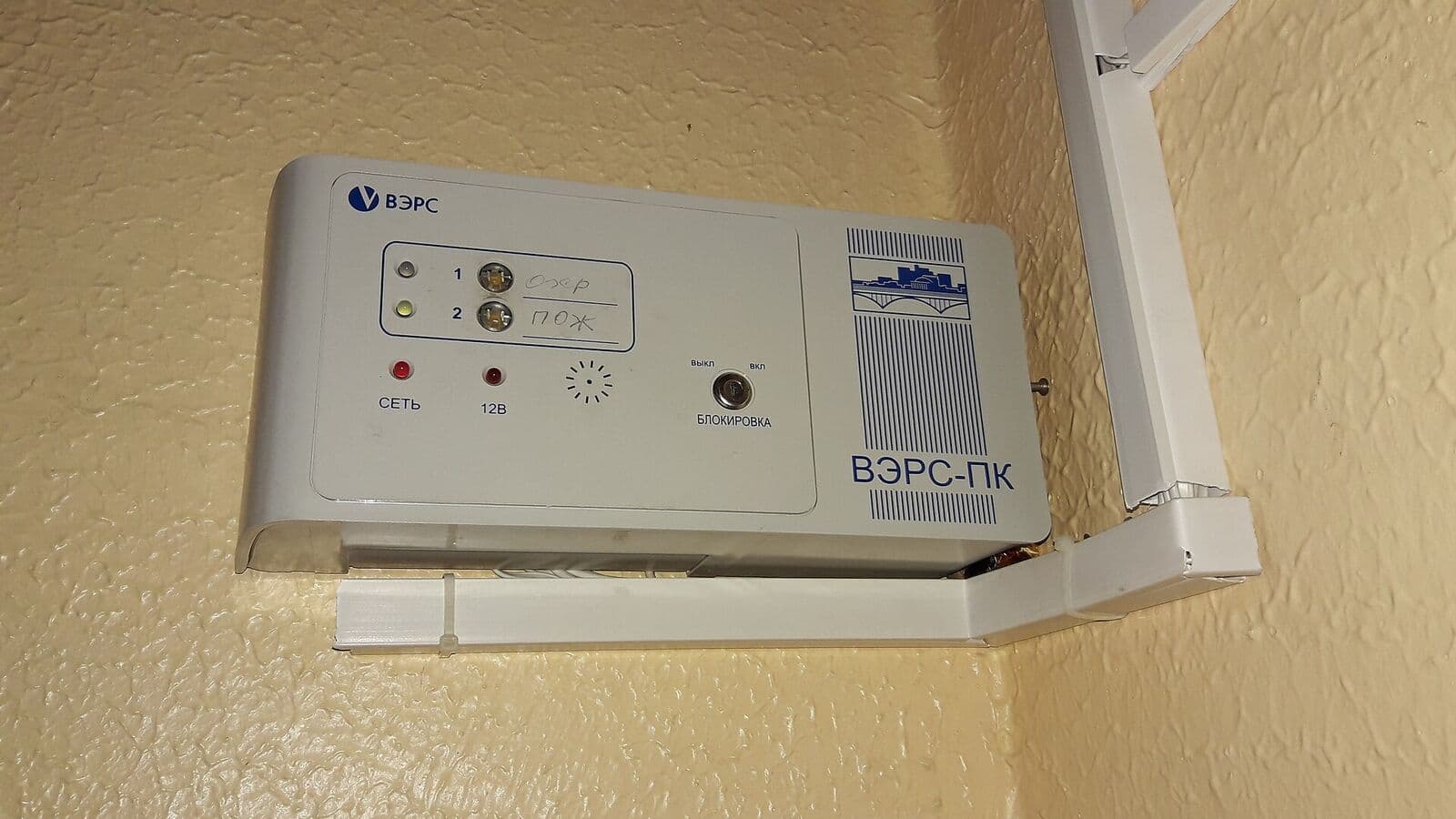
Fire alarm systems come in two fundamental architectures: conventional and addressable. The technology in each approach to fire detection, alarm signalling, and system management is fundamentally different. The right choice for your building depends on its size, occupancy, complexity, and your operational requirements.
This guide explains both technologies clearly — without manufacturer bias — so you can make an informed specification decision. We cover the technical differences, the practical implications for Bangladesh's building types, and which brands are leading the market.
How Conventional Fire Alarm Systems Work
A conventional fire alarm system divides the protected building into zones — physical areas that each connect to a dedicated input on the control panel. All detectors within a zone are wired in parallel to a single pair of wires (or twin and earth cable), which runs back to the zone input on the control panel.
When any detector in a zone activates, the control panel sees a change in the electrical current on that zone's wiring loop and activates the corresponding zone indicator on the panel. The panel shows that Zone 3 has alarmed — but it cannot identify which of the 15 detectors within Zone 3 has actually triggered. A fire officer or security guard must physically walk the zone to locate the activated detector.
Conventional System Characteristics
- Detection granularity: Zone level only (a zone might cover an entire floor or building wing)
- Panel display: Zone indicator (light or LED) per zone; total alarm condition shown
- Wiring: Radial (star) wiring from panel to each zone; each zone requires a dedicated cable run
- Scale: Best suited to buildings with fewer than 5 zones (small installations)
- Cost: Lower equipment cost; higher wiring cost for large buildings
- Fault identification: Zone level only — a cable fault affects the entire zone
Where Conventional Systems Are Still Appropriate
Despite the superiority of addressable systems for most applications, conventional systems remain the right choice in specific situations:
Very small buildings: A single-storey retail unit, a small office of 3–4 rooms, or a standalone guardhouse does not justify the higher equipment cost of an addressable system. A 4-zone conventional panel with 2–3 detectors per zone is perfectly adequate.
Cost-sensitive retrofit: Where the installation budget is severely constrained and the building is small and simple, a conventional system provides a functional level of fire detection at the lowest equipment cost.
Temporary structures: Construction site offices, temporary event spaces, and modular facilities that will be dismantled within 1–2 years may specify conventional systems for cost efficiency.
For any building above approximately 300 m² in area, with more than 2 floors, or with more than 20 detectors, an addressable system provides significantly better operational capability at a total cost that is often comparable when wiring costs are considered.
How Addressable Fire Alarm Systems Work
An addressable fire alarm system — also called an intelligent fire alarm system — gives every individual detector and device a unique electronic address. Instead of radial zone wiring, devices connect to a loop (also called a circuit or SLC — Signalling Line Circuit) that carries both power and data communications.
The control panel continuously polls every device on the loop, reading its status multiple times per minute. When a detector activates, the panel receives a message from that specific detector — with its unique address — identifying exactly which device has alarmed. The panel maps this address to a physical location (as programmed during commissioning) and displays "Detector 47 — Smoke Detector — Third Floor East Wing Server Room" rather than simply "Zone 3 Alarm."
Addressable System Characteristics
- Detection granularity: Individual device level — the exact location of every alarm event
- Panel display: Device-level identification by name and location; maps can show precise alarm location
- Wiring: Loop wiring — a single two-wire loop from the panel can carry up to 99–255 devices depending on the protocol; some systems support Class A (fault-tolerant) loop wiring
- Scale: Suitable from 20 devices to 10,000+ devices (with networked panels)
- Fault tolerance: Class A loop wiring continues to function even if a cable is broken — the loop feeds from both ends
- False alarm management: Advanced pre-alarm stages alert the panel before full alarm, allowing verification before evacuation
- Integration: Addressable panels integrate with building management systems, access control, and evacuation announcement systems via open protocols
The Pre-Alarm Advantage: Reducing Unnecessary Evacuations
One of the most significant operational advantages of addressable systems is pre-alarm management. Modern addressable detectors can report their status not just as "normal" or "alarm" but on a graduated scale. The panel can be programmed to respond to these stages differently:
Alert/Pre-Alarm: Detector reading is elevated — above normal but below alarm threshold. The panel alerts the fire safety officer (via display, tone, or notification) who can investigate before a full alarm is triggered. If the investigation reveals an innocent cause (cooking smoke, steam), the alarm is reset without causing building evacuation.
Alarm: Detector reading exceeds the alarm threshold. Full alarm activation — sounders, evacuation announcement, call to monitoring centre.
Fire (Confirmed Alarm): A second detector in the same zone has also alarmed within the verification period, confirming that the alarm is likely genuine. Some panels use this "double-knock" logic to trigger higher-priority responses (automatic door releases, BMS integration).
This graduated response is particularly valuable in Bangladesh's commercial buildings where unnecessary evacuations during business hours are disruptive and erode confidence in the fire alarm system. Pre-alarm management, available only on addressable systems, allows trained fire safety staff to investigate alert conditions without triggering a full building evacuation.
Loop Wiring vs. Zone Wiring
The wiring architecture differences between conventional and addressable systems have significant implications for large buildings.
Conventional Zone Wiring (Radial)
Each detector zone requires a dedicated cable run from the panel to the zone area. For a 10-zone building with zones spread across different floors and wings, 10 separate cable runs are required — each potentially travelling the full length of the building. Total cable length is the sum of all individual zone runs.
For a 15-floor commercial building in Dhaka with 30 detection zones, the total conventional zone cable run might exceed 3,000 metres. This is expensive in cable material, conduit, and installation labour.
Addressable Loop Wiring
An addressable loop uses a single cable pair that travels around the building, passing through or near every device location. Up to 99–255 devices connect to this single loop. Multiple loops connect to a single panel. A 30-zone equivalent addressable installation might use 3–4 loops, each with a single cable run that efficiently passes through all device locations.
For the same 15-floor building, an addressable system might use 4 loops totalling 2,000 metres of cable — significantly less than the conventional equivalent, and with the added benefit of Class A (fault-tolerant) loop topology.
Class A (Fault-Tolerant) Loop Wiring
Class A wiring uses two cable routes between the panel and each loop segment. If a cable is cut or damaged, the loop continues to function from the opposite direction. No devices are lost. Class A wiring is specified for hospitals, government buildings, and high-security environments where continued fire detection capability after physical cable damage is required.
BNBC 2020 for Group C (healthcare) buildings strongly implies Class A wiring requirements, aligning with NFPA 72's Class A circuit requirements for critical occupancies.
Scale Threshold: When Addressable Is the Clear Choice
Use a conventional system if:
- The building has fewer than 5 detection zones
- There are fewer than 20 detectors in total
- The building is single-storey or 2-storey
- The total floor area is less than 300 m²
- The budget is genuinely constrained and the detection gap is acceptable
Use an addressable system if:
- The building has 5 or more detection zones (SSAL's general recommendation: addressable for 5+ zones)
- There are more than 20 detectors
- The building has 3 or more floors
- The floor area exceeds 300 m²
- The occupancy includes members of the public, healthcare patients, or other vulnerable persons
- Integration with BMS or PA system is required
- The operator needs precise location information for emergency response
For virtually all commercial buildings in Bangladesh — office towers, shopping malls, hospitals, hotels, government buildings, and industrial complexes — an addressable system is the appropriate specification.
Integration with Evacuation PA and BMS
Addressable fire alarm panels integrate with evacuation public address systems and building management systems through standard interfaces.
Evacuation PA Integration
When the fire alarm activates, the addressable panel sends a digital message to the evacuation PA system, triggering the appropriate evacuation announcement for the zone in alarm. Sophisticated integrations use staged evacuation — first alarming the floor in alarm and the floors immediately above and below, then expanding the evacuation zone if the fire is not controlled. This staged approach is specified in BNBC for high-rise buildings to prevent simultaneous evacuation of all floors creating dangerous stairway congestion.
BMS Integration
Addressable panels connect to BMS systems via Modbus, BACnet, or proprietary gateway interfaces. The BMS receives every alarm event, including zone/device identity, alarm type, and time-stamp. The BMS can respond automatically: releasing smoke control dampers, pressurising protected stairways (to keep smoke out), releasing electromagnetic door holders (allowing fire doors to close), and alerting the BMS operations team.
Leading Brands in Bangladesh
Bosch Fire Safety
Bosch's FPA-5000 and FPA-1200 addressable panels are widely deployed in Bangladesh's premium commercial and healthcare sector. The FPA-5000 supports up to 10 panels networked, covering very large complexes. Bosch integrates natively with its own VMS (BVMS) and third-party BMS platforms. EN 54 certified.
Honeywell (Notifier/Morley-IAS)
Honeywell's addressable portfolio — including the Notifier NFS2-640 and Morley-IAS MX series — is well-established in Bangladesh's hospitality and healthcare sectors. Honeywell panels offer excellent evacuation PA integration and BMS connectivity. The Notifier brand is particularly strong in NFPA-referencing projects.
Siemens Building Technologies (Cerberus)
Siemens' Cerberus PRO addressable system is the benchmark for sophisticated, integrated fire safety solutions in Bangladesh's high-value commercial and government sector. Cerberus integrates with Siemens Desigo CC building management platform and supports complex evacuation scenarios with graphical floor plan displays at the fire command centre. EN 54 certified.
Bangladesh Sector Applications
Offices and Corporate Headquarters: Addressable systems are the standard specification for office buildings above 3 floors. The precise device-level identification allows the building's fire safety officer to investigate pre-alarm conditions quickly without triggering full building evacuation.
Hospitals and Healthcare: Addressable systems with Class A wiring are mandatory for any serious hospital installation. The fire alarm system in a Bangladesh hospital must provide enough information for staff to execute compartmental defence and controlled evacuation without all-floor simultaneous evacuation.
Hotels: International hotel brands specify addressable fire alarm systems as a brand standard. Integration with the hotel's building management system is required for alarm response automation.
Small Retail: Single-storey retail units under 300 m² may use conventional systems economically. Multi-floor retail complexes and shopping malls should specify addressable.
Get Expert Help
Choosing between addressable and conventional fire alarm systems, and selecting the right panel for your building's scale and integration requirements, requires both technical expertise and familiarity with BNBC 2020 compliance requirements. SSAL designs and installs addressable fire alarm systems from Bosch, Honeywell, and Siemens for commercial, healthcare, industrial, and government buildings across Bangladesh.
Our fire safety team handles design, FSCD documentation, installation, commissioning, and annual maintenance — the complete scope from concept to compliance certificate.
Get Free Consultation — contact SSAL's fire safety team today to discuss your building's fire alarm requirements and receive a design proposal.
Filed under
- addressable fire alarm
- conventional fire alarm
- fire alarm panel
- loop wiring
- zone wiring
- Bangladesh fire alarm
- Bosch
- Honeywell
- Siemens Cerberus
SSAL Expert Team
SSAL engineering team — Bangladesh-focused technical writing on security, fire-safety, ICT, and building technology.
Related Articles
BNBC 2020 Part 4 Fire Safety Requirements: What Every Building Owner in Bangladesh Must Know
Complete guide to BNBC 2020 Part 4 fire safety requirements for Bangladesh buildings. Occupancy classification, detectors, sprinklers, egress, and FSCD compliance.
OpenFM-200 vs. CO2 vs. Novec 1230: Choosing the Right Clean Agent Suppression for Your Server Room
Compare FM-200, CO2, Novec 1230, and IG-541 clean agent suppression systems for Bangladesh server rooms and data centres. Cost, safety, and environmental comparison.
OpenWhat Is an FSCD NOC and How Do You Obtain One? Step-by-Step Guide for Bangladesh
Complete step-by-step guide to obtaining an FSCD NOC in Bangladesh. Learn the application process, required documents, inspection steps, and common rejection causes.
OpenNeed Help Choosing the Right Solution?
SSAL engineers respond to RFQ submissions within 1 business day with a scoping call request.
- 48-hour site survey
- Free consultation
- 24/7 priority support