
Reducing False Alarms in Commercial Security Systems: Best Practice Guide for Bangladesh
Author
SSAL Expert TeamPublished
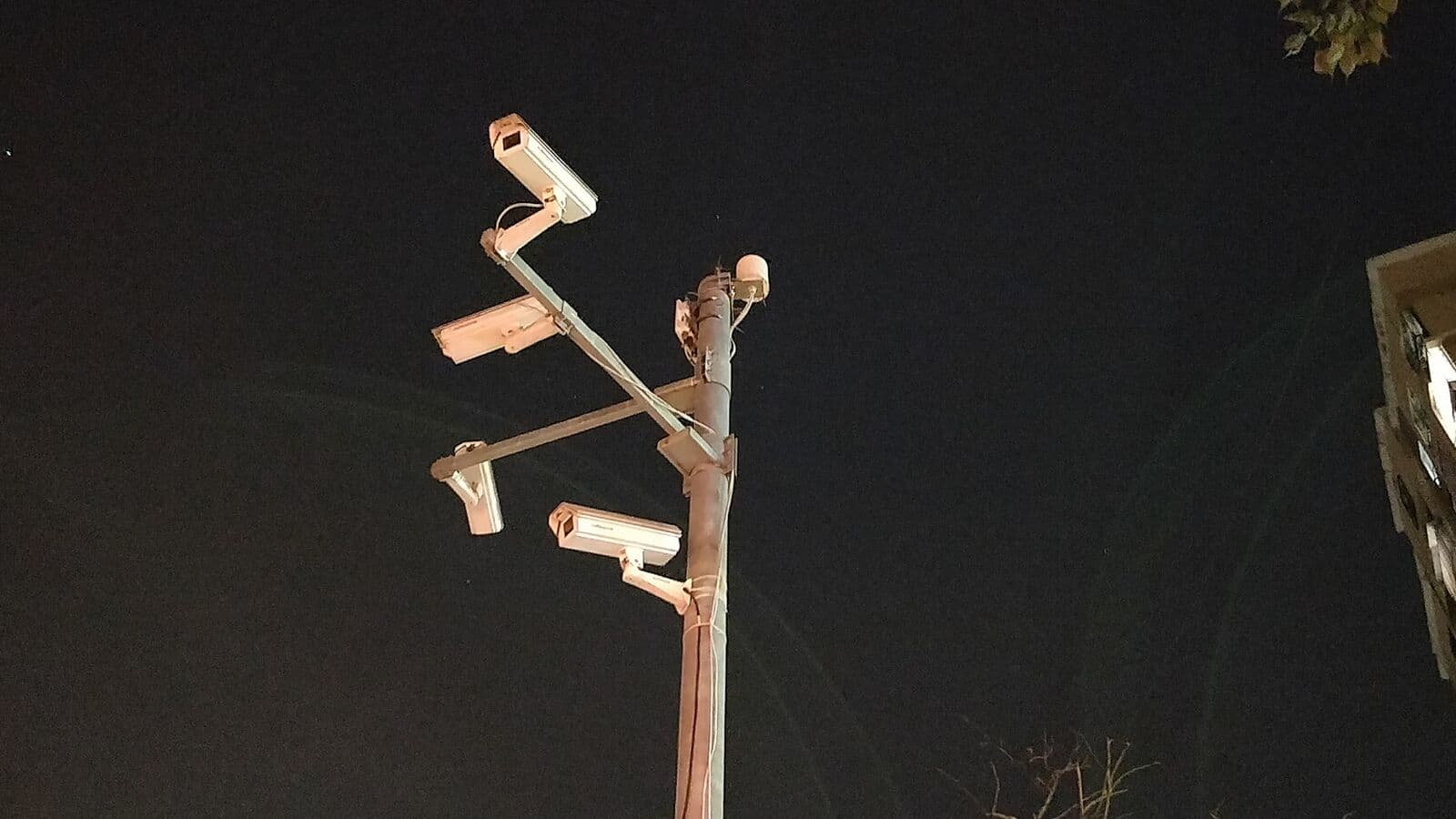
False alarms are the single greatest operational problem in commercial intrusion alarm management. They create alarm fatigue — where security staff begin to treat every activation as probably false, which is precisely the mental state an intruder exploits. They damage relationships with monitoring centres and police response services. They cost money in wasted response and investigation time. And they are largely preventable.
This guide identifies the most common causes of false alarms in Bangladesh's commercial security environment and provides concrete strategies to eliminate them, from initial detector selection through ongoing maintenance.
Why False Alarms Matter More Than You Think
An alarm system that generates false activations every few days soon becomes an alarm system that is bypassed, set to lower sensitivity, or simply ignored. Security staff develop the habit of dismissing activations without adequate investigation. When a genuine intrusion occurs against this background of frequent false activations, the response is delayed — or may not come at all.
Research from professional alarm monitoring centres consistently shows that 90–95% of commercial alarm activations are false. Each false alarm costs your organisation:
- Guard response time (typically 30–120 minutes of unproductive time)
- Monitoring centre processing time
- Potential police response charges (some jurisdictions levy fines for repeated false activations)
- Erosion of confidence in the alarm system among key holders and management
The goal is not zero false alarms — that is unachievable without accepting detection gaps. The goal is to maintain a false alarm rate low enough that every activation is taken seriously and receives a timely, thorough response.
Top Cause 1: Inappropriate Detector Selection
The most common root cause of chronic false alarms is a mismatch between the detector technology and the environment where it is installed.
PIR detectors in spaces with uncontrolled thermal events: A PIR detector installed near a window that receives direct afternoon sun will produce repeated false alarms as the direct sunlight creates a moving thermal gradient across the detection zones. A PIR near an unshielded air conditioning unit will alarm as warm air currents from the ducts create thermal movement.
Solution: Never mount a PIR detector where it can "see" a window, direct sunlight, or an air conditioning vent within its detection field. If the space layout makes this unavoidable, upgrade to a dual-technology detector — the microwave component will not respond to thermal events, and the AND logic will prevent false alarms caused by thermal changes alone.
Single-technology detectors in challenging spaces: Non-air-conditioned spaces, warehouses with high ambient temperatures, and industrial areas with machinery vibration require dual-technology or temperature-compensated detectors from the outset. Installing standard PIR detectors in these environments and then reacting to persistent false alarms is an expensive and disruptive way to arrive at the right solution.
Top Cause 2: Pets and Small Animals
Pets and small animals are a leading cause of false alarms in both commercial and residential alarm systems. In commercial settings, Bangladesh's common false-alarm animals include:
- Stray cats and dogs: Enter through open grilles, roof vents, and loading dock doors. A cat on top of a shelf is within the detection field of a ceiling-mount PIR.
- Rats and rodents: Common in older commercial buildings and warehouses. A large rat traversing a detection zone produces enough thermal mass to trigger a standard PIR.
- Geckos and lizards: Common in Bangladesh. A gecko on the Fresnel lens of a PIR detector — between the lens and the pyroelectric element — directly interferes with the detection circuit and can cause false alarms.
- Birds: Entering through open skylights or damaged roof sections.
Solution: Specify detectors with animal/pet immunity for any space where animal intrusion is plausible. Pet-immune detectors use lens geometry and signal processing to ignore thermal signatures below a defined weight threshold (typically 25 kg or 38 kg). For rodent-vulnerable spaces, add physical measures: mesh over ventilation points, sealed cable entries, and regular pest control.
Top Cause 3: HVAC Air Movement
Air conditioning and heating systems create the most common source of false alarms in Bangladesh's commercial buildings. The mechanisms include:
Thermal air columns: Warm air rising from a supply register passes through PIR detection zones. The moving thermal mass — even though it is air rather than a person — can produce enough signal change to trigger a sensitive PIR detector.
Swinging objects: Air movement from HVAC units causes light items to swing within detector fields. Curtains, hanging signs, plastic sheeting, and dangling cables create movement that activates microwave detectors and, in some cases, PIR detectors.
Temperature gradients at startup: When an air conditioning system restarts after a period of inactivity, the rapid change in room temperature creates a brief thermal event that some PIR detectors read as movement.
Solution for HVAC-related false alarms:
- Map all HVAC supply registers and return grilles before positioning detectors
- Maintain a 1.5-metre minimum clearance between any detector's field of view and any supply register
- Remove or secure all items that could move in airflow within detector fields
- Specify dual-technology detectors for spaces with significant HVAC air movement
- After HVAC maintenance or seasonal system changes, retest detectors under operating conditions
Top Cause 4: Entry and Exit Delay Misconfiguration
Entry and exit delays are deliberately programmed periods during which the alarm does not activate, giving an authorised user time to arm (exit delay) or disarm (entry delay) without triggering the alarm. Misconfiguration of these delays is a significant cause of unnecessary alarms.
Too-short entry delay: If the entry delay (typically 30–60 seconds) is insufficient for an authorised person to enter the building and reach the keypad or credential reader, the alarm will activate before they can disarm. Increasing the delay by even 15 seconds often eliminates these false activations.
Wrong zone type: If a perimeter zone (front door contact) is set as an instant zone rather than an entry/exit zone, anyone opening the front door — authorised or not — immediately triggers the alarm. Verify that the zone type matches the intended use case.
Exit delay too long: If the exit delay (typically 60–90 seconds) is longer than necessary, staff may prop doors open, wander back into the building after activating the arm sequence, or forget they have set the alarm. Tune the delay to the realistic exit time for your facility.
Keypad position: A keypad that is too far from the entry door, requiring the authorised user to walk through multiple detection zones before reaching it, creates unnecessary alarm activations. Position keypads at entry points, within the first detection zone, so disarming occurs before the entry delay expires.
Top Cause 5: Inadequate System Maintenance
A poorly maintained alarm system generates false alarms through component degradation and environmental accumulation.
Dusty detector lenses: The Fresnel lens of a PIR detector accumulates dust in Bangladesh's environment. Dust on the lens diffuses the incoming infrared light, creating unpredictable detection behaviour and false activations. Clean detector lenses with a dry, soft cloth at every maintenance visit.
Insect contamination: Insects inside the detector housing — particularly ants, which are common in Bangladesh — interfere with the pyroelectric sensor and signal processing electronics. Specified detector housings with insect-resistant sealing. If insects are discovered inside a detector, replace the unit.
Loose cable connections: Cable connections that work loose over time — particularly in buildings with vibration from heavy vehicles, machinery, or rail traffic — cause intermittent connection breaks that the panel interprets as tamper events. Check and tighten all terminal connections annually.
Ageing detectors: PIR detectors have a service life of approximately 7–10 years under normal operating conditions. After this period, the pyroelectric element may degrade, producing increasingly erratic detection behaviour. Budget for detector replacement as part of your long-term maintenance plan.
Battery depletion in wireless systems: A wireless detector with a low battery may transmit garbled signals that the panel interprets as alarm events. Monitor battery status through the panel management software and replace batteries proactively when they reach 30% remaining capacity.
Top Cause 6: Power Fluctuations (Bangladesh-Specific)
Bangladesh's electrical supply infrastructure — particularly outside Dhaka — experiences significant voltage fluctuations, brief outages, and transient spikes. These power events affect alarm systems in specific ways:
Panel voltage sag: A brief voltage dip can cause detector power supplies to fluctuate, creating spurious signals that the panel interprets as zone activations.
Generator transfer delay: When main power fails and a generator transfers (typically within 5–30 seconds), the brief power gap causes the panel to restart. Improperly configured panels may generate multiple alarm signals during this restart sequence.
Solution:
- Specify a panel with a voltage-regulated power supply rated for 160–240V AC input, which accepts Bangladesh's fluctuating supply without generating system faults
- Install a UPS at the alarm panel to bridge generator transfer delays (a 10-minute UPS runtime is more than sufficient for generator transfer)
- Specify panels that log power-fail events separately from alarm events, so power-related activations are identifiable in the event log
- Ensure the monitoring centre is programmed to treat power-fail events differently from zone alarm events
Cross-Zone Verification: Requiring Multiple Triggers
Cross-zone verification is a panel programming technique that requires at least two detectors to trigger within a defined time window before an alarm is signalled. The logic is straightforward: a single detector triggering alone is more likely to be a false alarm than two detectors triggering in sequence.
How to Configure Cross-Zone Verification
Most enterprise alarm panels support cross-zone verification as a programmable option. Example configuration:
- Zone 1 (PIR in main office): Set as "trigger zone"
- Zone 2 (second PIR in main office): Set as "cross-zone partner of Zone 1"
- Cross-zone window: 30 seconds
With this configuration, if only Zone 1 triggers, the panel logs the event but does not generate a full alarm. If Zone 2 also triggers within 30 seconds of Zone 1, the panel generates a full alarm. A genuine intruder moving through the space will trigger both detectors sequentially. A thermal event affecting only Zone 1 will not trigger Zone 2 and will not generate a full alarm.
Cross-zone verification adds a small risk of delayed response — the panel waits for the second detector to confirm. This delay (up to 30 seconds) is acceptable for interior detection zones where the threat of a smash-and-grab in 30 seconds is low. It is not appropriate for perimeter zones (door contacts, glass break detectors) where the alarm should trigger immediately on breach.
Temperature Impact on PIR: Bangladesh Summer Considerations
Bangladesh's summer temperatures — ambient conditions exceeding 38°C in non-air-conditioned spaces during April through June — create specific PIR performance challenges discussed in detail in our PIR vs. Microwave vs. Dual-Tech article.
For false alarm reduction in summer conditions:
- Switch standard PIR detectors in non-air-conditioned spaces to dual-tech
- Specify temperature-compensated PIR where dual-tech is not available
- Increase cross-zone verification window during summer months (from 30 to 45 seconds)
- Review and adjust detector sensitivity settings at the beginning of each hot season
Regular Maintenance Schedule
A proactive maintenance schedule is the most cost-effective false alarm reduction strategy. Implement the following minimum schedule:
| Task | Frequency |
|---|---|
| Clean all detector lenses and housings | Monthly |
| Walk test all zones (test each detector) | Monthly |
| Check and tighten all terminal connections | Quarterly |
| Review and update panel zone programming | Quarterly |
| Full system functional test (panel to monitoring centre) | 6-monthly |
| Battery load test | 6-monthly |
| Check and replace any degraded detectors | Annually |
| Full review of entry/exit delay settings | Annually |
| Vegetation cut-back around outdoor detectors | As required |
Document every maintenance visit with a written report. This documentation supports insurance claims, demonstrates compliance with monitoring centre SLAs, and provides evidence of due diligence in the event of an incident.
Get Expert Help
Reducing false alarms requires a systematic approach: the right detectors for your specific environment, correct programming, and disciplined maintenance. If your current alarm system is generating frequent false activations, SSAL can conduct a false alarm audit — reviewing your detector types, installation positions, panel programming, and maintenance history to identify the root causes and recommend cost-effective solutions.
Get Free Consultation — contact SSAL's alarm team to schedule a false alarm audit for your facility. We will identify the causes of your false alarm problems and fix them.
Filed under
- false alarm reduction
- alarm maintenance
- PIR false alarm
- cross-zone verification
- alarm entry delay
- Bangladesh alarm system
- commercial security
SSAL Expert Team
SSAL engineering team — Bangladesh-focused technical writing on security, fire-safety, ICT, and building technology.
Related Articles
Enterprise Alarm System Buying Guide: What Bangladesh Security Managers Need to Know
A complete alarm panel buying guide for Bangladesh security managers. Zone sizing, power backup, IP/GSM communication, VMS integration, and key vendor questions to ask.
OpenGlass Break Detectors vs. Motion Sensors: Do You Need Both for Complete Protection?
Learn how acoustic glass break detectors work versus motion sensors. Discover why layered protection with both technologies is essential for Bangladesh showrooms and banks.
OpenGSM vs. IP vs. Dual-Path Alarm Communicators: Most Reliable for Bangladesh's Network Infrastructure?
Compare GSM, IP, and dual-path alarm communicators for Bangladesh. Learn which is most reliable given local network infrastructure, fibre coverage, and SIA DC-09 protocol.
OpenNeed Help Choosing the Right Solution?
SSAL engineers respond to RFQ submissions within 1 business day with a scoping call request.
- 48-hour site survey
- Free consultation
- 24/7 priority support