
Healthcare Security Systems: A Complete Guide for Bangladesh Hospitals & Clinics
Author
SSAL Expert TeamPublished
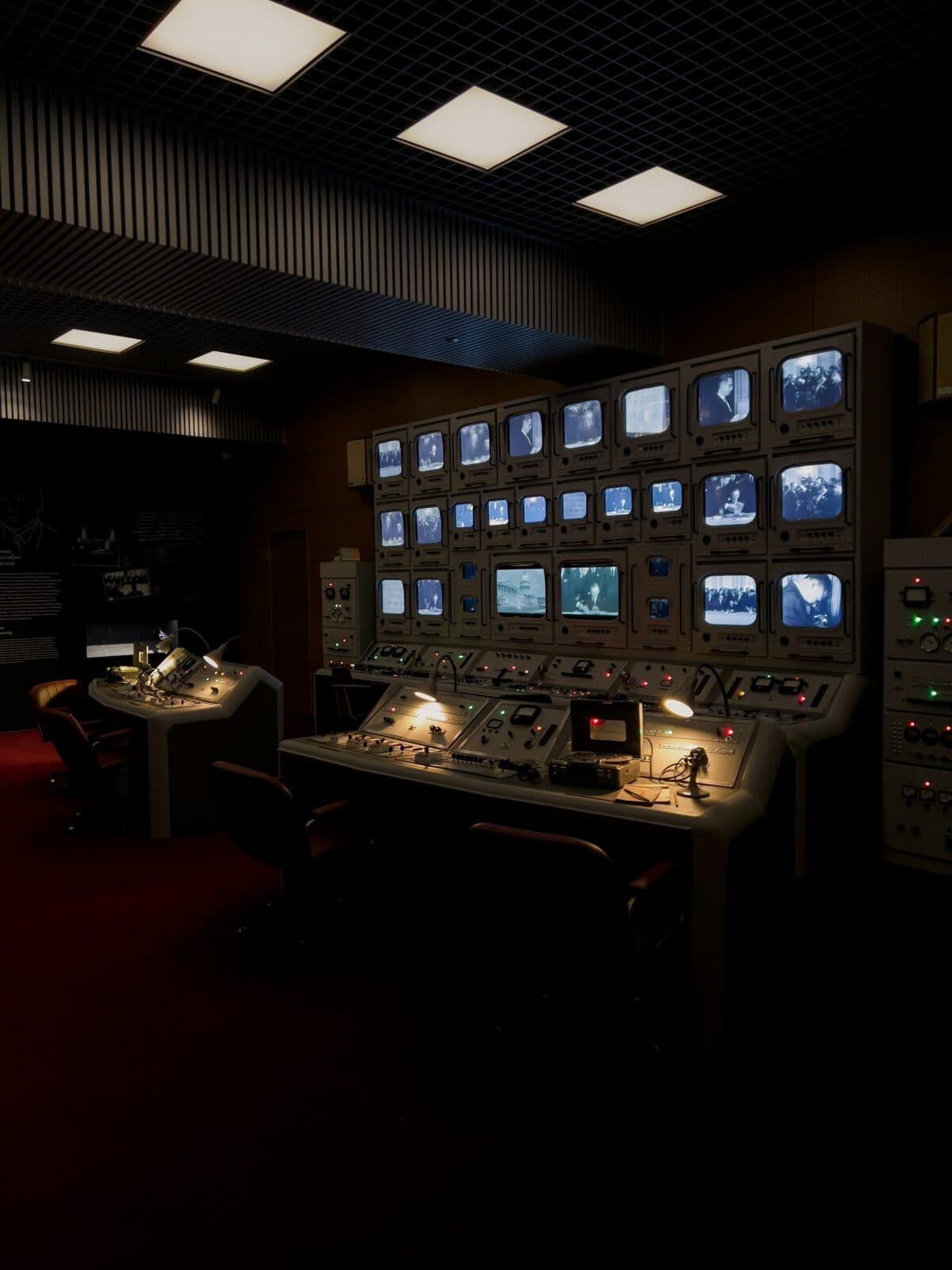
Hospitals face security challenges unlike any other building type. They operate 24 hours a day, 365 days a year. They serve a population that includes vulnerable patients, stressed families, and valuable assets — medications, expensive medical equipment, and sensitive patient data. Staff work in high-pressure environments where security incidents can have direct patient safety consequences. And they must balance the security imperative with the care imperative — open, accessible, welcoming environments for patients and families.
Bangladesh's healthcare sector has grown significantly, with major private hospitals in Dhaka and Chittagong now operating at regional standards. As these facilities invest in clinical capability, security infrastructure must keep pace. This guide covers the complete security technology framework for Bangladesh hospitals and clinics — from CCTV zone planning through access control for sensitive clinical areas, nurse call and staff duress systems, fire safety, PA systems, and visitor management.
Healthcare Security Challenges
Before designing solutions, understand the specific challenges of the healthcare security environment.
Drug theft: Hospitals stock controlled substances — narcotics, psychotropics, and high-value medications — that are targets for both external theft and internal diversion. The pharmacy and medication dispensing points are the highest-risk areas from a theft perspective.
Violence against staff: Healthcare workers globally and in Bangladesh face elevated rates of violence from patients and families, particularly in emergency departments and psychiatric units. Security systems must detect and respond to violent incidents rapidly, and staff must have immediate means to summon assistance.
Patient privacy: Patients are in a vulnerable situation and have legal rights to privacy. Security systems must be designed to protect patient privacy — no cameras in patient bays, toilets, or changing areas — while still providing security coverage of clinical areas that require it.
Asset protection: Medical equipment — imaging systems, infusion pumps, monitoring equipment — is expensive and portable. Equipment management and tracking is a security concern in large hospitals where equipment moves between departments.
External threats: Hospitals with 24-hour emergency access are difficult to fully secure. Strangers can enter at any hour. After-hours access control must balance security with the genuine need for emergency access by patients and families.
BNBC and FSCD compliance: All hospital buildings must meet Bangladesh National Building Code 2020 requirements for fire safety. FSCD issues NOCs for hospital buildings and expects fire alarm, emergency lighting, and evacuation systems to be installed and operational.
CCTV Coverage Zones
Hospital CCTV design requires careful zone planning that balances security coverage with privacy protection. The key is to cover transition points and high-risk areas without intruding on clinical care or patient dignity.
High-Priority CCTV Zones
Emergency Department (ED/ER) entrance and triage: The ED entrance is the highest-incident area in most hospitals — patients in distress, accompanying family members under stress, and occasionally confrontational behaviour. Cameras at the entrance and triage area provide both deterrence and evidence capture for incidents. Camera angles must not capture examination areas where patients are undressed or examined.
Pharmacy and dispensary: Every medication dispensing point should be under CCTV coverage. Cameras positioned above and behind pharmacy counters capture transactions without capturing patient-specific medication information visible on labels. CCTV at the pharmacy is a deterrent to both external robbery and internal diversion.
ICU and HDU entrance (corridor, not interior): CCTV covers the corridor and entrance to the ICU — not the ICU interior, where patient privacy is paramount. The purpose is to monitor who enters and exits the restricted area and to correlate with access control events.
Lift lobbies and stair landings: All public lift lobbies and main stairwell landings should have CCTV coverage. These are transition points where patient movements, visitor behaviour, and any unusual incidents can be detected.
Car park and external approaches: The hospital car park is a significant security area — vehicle theft, assault, and harassment incidents are documented in hospital parking environments. IP camera coverage of the entire car park, including a licence plate recognition (ANPR) system at entry and exit, is appropriate for medium and large hospital facilities.
Main entrance and reception: CCTV at the main public entrance and reception area monitors visitor flow and provides evidence for any incidents involving members of the public. Reception cameras should capture facial images of persons entering.
Staff-only entrances and back-of-house: Staff entrances, loading docks, and service corridors are access points for both legitimate staff and potential intruders. CCTV at these points is essential, combined with access control (staff badge required for entry).
Areas That Must Not Have CCTV
CCTV must not be installed in patient bedside areas where patients are undressed or receiving intimate care, patient toilets and bathrooms, changing rooms for staff or patients, or consultation rooms where clinical conversations take place. These areas must be excluded from CCTV coverage as a matter of patient dignity, professional ethics, and (under Bangladesh's PDPO 2025) legal data protection compliance.
Access Control: ICU, Pharmacy, Medical Records, and Server Rooms
Hospital access control restricts entry to sensitive areas based on staff role. The access control system manages who can enter which area, at what times, and logs every access event.
ICU and HDU Access Control
Intensive care and high dependency units are restricted to clinical staff (ICU nurses, intensivists, and critical care team members). Visitor access is managed separately — a controlled number of visitors at designated visiting hours, each signed in by nursing staff. The access control system grants entry by RFID card (staff clinical ID card) with the option of fingerprint for senior clinical roles.
Family access management at ICU is often handled by an intercom or video intercom system at the ICU entrance — nursing staff remotely grant entry after verifying visitor identity and checking against the patient's designated visitor list.
Pharmacy Access Control
The pharmacy and drug dispensing areas require strict access control. Only pharmacy staff, designated pharmacists, and senior medical staff (by policy) should have independent access credentials. All other staff — including clinical staff collecting medications — should be managed through a service window or hatch, not through the pharmacy interior.
For controlled drug storage specifically, biometric access control (fingerprint) provides the highest security. The access log for the controlled drug room must be retained and available for inspection by the DGDA (Directorate General of Drug Administration) under Bangladesh's Drugs Act compliance requirements.
Medical Records and Health Information
Paper medical records rooms and servers containing electronic patient health data require access control that restricts entry to authorised administrative and clinical staff. Access logs support patient data protection compliance under Bangladesh's PDPO 2025.
IT Server Rooms
Hospital server rooms — containing HIS (Hospital Information System), PACS (Picture Archiving and Communications System), and financial systems — require biometric access control with full audit logging. Access is limited to IT staff and authorised maintenance personnel.
Nurse Call and Staff Duress Systems
Nurse call systems are communication tools that allow patients to request assistance from nursing staff and allow nurses to communicate with each other. Duress systems allow staff facing violent or threatening situations to call for immediate help.
Nurse Call System
A nurse call system consists of patient call points (bedside buttons and pull cords in bathrooms), corridor indicator lights (showing which room has called), and a nurse station display showing active calls. Modern IP-based nurse call systems integrate with staff paging and mobile communication, routing patient calls to the responsible nurse's mobile phone or staff pager.
Bangladesh hospital nurse call systems should meet IEC 60118 requirements for audio level and IEC 60068 for environmental durability. For new hospital construction, IP nurse call systems that integrate with the hospital's communication infrastructure are preferred — they provide richer information (patient name, ward, bed position) and route calls more intelligently than legacy tone-based systems.
Staff Duress Systems
Staff duress systems allow a healthcare worker facing a threatening situation to trigger a silent emergency alert. The alert is transmitted to the security control room and/or to designated security staff, showing the identity and location of the staff member under threat.
Duress systems in hospitals may include:
- Fixed duress buttons at nurse stations, reception desks, and triage areas
- Portable duress badges worn by staff at risk (ED nurses, psychiatric ward staff, pharmacy staff)
- Integration with the nurse call and PA systems to coordinate response
The portable duress badge — typically a small RFID or Bluetooth device worn on a lanyard or clipped to uniform — allows staff to trigger a duress alert from anywhere in the hospital. Some systems include location tracking, allowing the security team to see where the activated badge is physically located within the building.
Fire Safety: BNBC 2020 Requirements for Hospitals
Hospitals face specific fire safety challenges. Many patients cannot self-evacuate. Some areas (operating theatres, ICU) cannot interrupt clinical care for evacuation. Others (oxygen-rich environments) present elevated fire risk.
BNBC 2020 and FSCD Requirements for Healthcare Occupancies
BNBC 2020 classifies hospitals as institutional occupancy (Group I-1 for general hospitals). Specific requirements for hospitals above a specified height or floor area include:
- Addressable fire alarm system with smoke and heat detectors in all occupied areas
- Manual call points (break glass) at all exit routes
- Emergency lighting on all escape routes
- Automatic fire alarm notification to FSCD
- Fire suppression for high-risk areas (generator rooms, oil stores, laundry)
- Voice alarm (PA) system for emergency announcements
FSCD NOC is mandatory for all hospital buildings. The NOC process requires submission of fire safety design drawings, equipment specifications (must meet recognised international standards), and installation certification. Annual FSCD inspection of the installed system is required for NOC renewal.
Oxygen-Rich Environment Considerations
Clinical areas with piped medical oxygen — operating theatres, ICU, recovery rooms — are oxygen-enriched environments where fire ignition is more likely and fire spreads more quickly. Fire detection in these areas uses faster-responding detector technologies (aspirating smoke detection or very early warning systems) and fire suppression avoids water-based systems in favour of gaseous agents.
Defend-in-Place Evacuation
Hospitals in Bangladesh follow a "defend in place" partial evacuation strategy rather than full building evacuation. Patients unable to move are defended in fire-rated compartments while mobile patients, visitors, and non-essential staff evacuate. This strategy requires that the fire alarm PA system be programmed with zone-specific messages — directing mobile occupants to evacuate while clinical staff in protected areas receive instructions to stay and protect patients.
PA Systems for Emergency Announcements
Hospital PA systems serve two functions: routine communication (paging calls, department announcements, code calls) and emergency announcements (fire evacuation, lockdown).
Code calls — standardised colour-coded announcements (code blue, code red, code silver) — are broadcast through the PA to alert clinical staff to specific emergency situations without alarming patients and visitors with explicit terminology. The PA system must support selective zone broadcast for code calls — a "code blue" for a specific ward should not be broadcast building-wide.
Emergency PA integration with the fire alarm system enables automatic zone-specific evacuation messages when the fire alarm activates. This integration is required for EN 54-16 certified life safety PA in buildings with phased evacuation requirements.
Visitor Management for Hospitals
Hospital visitor management balances security and access with the essential human need for patients to have family support. The system must be practical enough not to create barriers for genuine visitors, while preventing unauthorised entry.
Basic visitor management for a hospital includes a reception desk check-in (visitor presents ID, states patient name and ward, receives a visitor badge), a defined visiting hours policy, ward access limited to badge holders, and a log of all visitor registrations retained for 30 days.
For intensive care and high-security wards, electronic visitor management is appropriate — visitors register at a kiosk, receive a printed time-limited badge, and their identity is verified against a patient-approved visitor list managed by nursing staff.
SSAL Healthcare Security Expertise
SSAL designs and implements security systems for hospitals, clinics, and diagnostic centres across Bangladesh. Our healthcare security projects address the full technology stack — CCTV, access control, nurse call, intrusion alarm, fire alarm, and PA — and we navigate FSCD NOC processes to ensure our installations meet regulatory requirements.
Our healthcare installations use Hikvision cameras (with privacy masking configured for protected zones), ZKTeco and Honeywell access control, Hochiki fire alarm systems, and DSPPA IP PA — all maintained under comprehensive AMC programmes.
Get Free Consultation — Contact our healthcare security specialists to discuss your hospital's security requirements. We will review your building layout, understand your clinical risk profile, and propose a security system design that protects patients, staff, and assets while meeting BNBC and FSCD requirements.
Filed under
- healthcare security
- hospital CCTV
- access control
- nurse call
- fire safety
- BNBC
- FSCD
- Bangladesh hospital
SSAL Expert Team
SSAL engineering team — Bangladesh-focused technical writing on security, fire-safety, ICT, and building technology.
Related Articles
Bangladesh Bank ICT Security Guideline v4.0: What Every Bank Security Manager Must Know
Complete guide to Bangladesh Bank ICT Security Guideline v4.0: CCTV, biometric access, 90-day retention, visitor management & compliance audit requirements.
OpenComplete Security Technology Guide for Bangladesh's Banking & Financial Sector
Complete guide to bank security technology in Bangladesh: Bangladesh Bank ICT v4.0, CCTV, biometric access, fire safety & ATM monitoring. Expert from SSAL.
OpenSecurity & Automation for Commercial Real Estate: A Developer's Guide to Smart Buildings
Complete guide for developers: multi-tenant access control, BMS energy management, structured cabling, parking, fire safety & Grade A office technology for Bangladesh.
OpenNeed Help Choosing the Right Solution?
SSAL engineers respond to RFQ submissions within 1 business day with a scoping call request.
- 48-hour site survey
- Free consultation
- 24/7 priority support