
Retail Loss Prevention: Integrating CCTV, AI Analytics & EAS Systems
Author
SSAL Expert TeamPublished
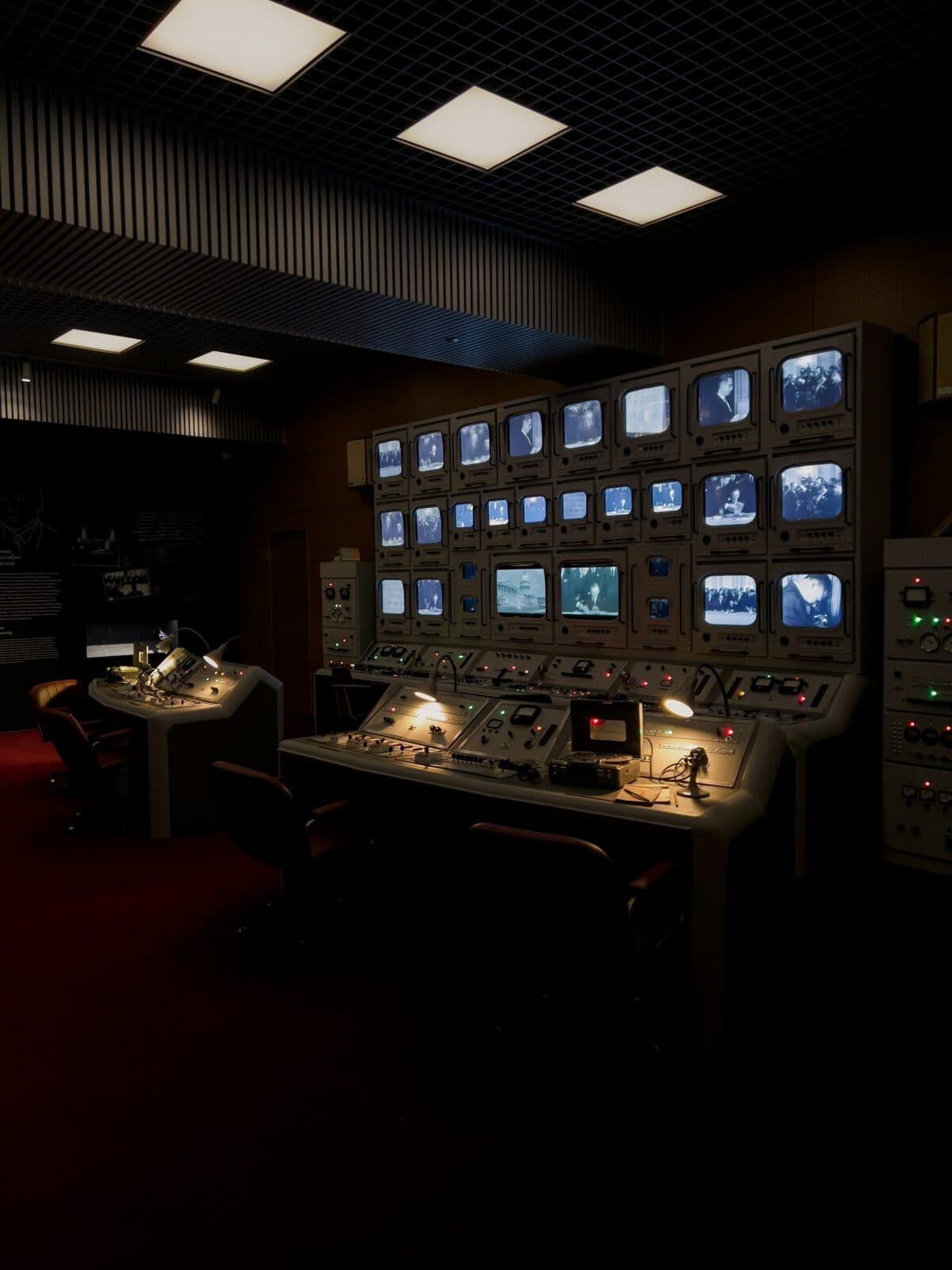
Retail shrinkage — the difference between a retailer's theoretical inventory and what actually exists on the shelf — costs the global retail industry between 1% and 2% of revenue annually. For a retail operation generating BDT 50 crore per year, a 1.5% shrinkage rate represents BDT 75 lakh in annual loss. This is not a rounding error in the profit and loss account — it is a business-critical operational problem.
In Bangladesh's growing retail sector — from international fashion brands in Gulshan to electronics stores in Bashundhara City, from FMCG modern trade to the expanding supermarket chains — loss prevention is an increasingly strategic function. The tools available to address it have expanded from basic CCTV and security guards to integrated systems combining AI video analytics, Electronic Article Surveillance (EAS), and customer behaviour data. This guide explains how these technologies work and how they are being applied in Bangladesh's retail environment.
Retail Shrinkage: The Numbers
Global retail shrinkage analysis (from the National Retail Federation Annual Security Survey and the ECRIS European retail crime study) consistently breaks shrinkage into four categories:
Employee theft: 28–35% of shrinkage. Staff with intimate knowledge of inventory and security systems cause disproportionate losses relative to their numbers. Cash theft, gift card manipulation, sweethearting (not scanning goods for favoured customers), and inventory manipulation are common methods.
Shoplifting: 36–40% of shrinkage. External theft by customers is the largest single category. It ranges from opportunistic concealment of small items to organised retail crime (ORC) involving coordinated teams systematically clearing shelves of high-value items.
Administrative error: 20–25% of shrinkage. Pricing errors, receiving shortages (paying for 100 units but only 98 delivered), and scanning errors represent loss that is not theft but still reduces margin.
Vendor fraud: 5–10% of shrinkage. Shortfalls in deliveries, substituted products, and false return credits.
Loss prevention technology primarily addresses the first two categories — employee theft and shoplifting. The third and fourth categories are addressed through operational and financial controls rather than physical security technology.
CCTV Placement for Retail: POS Terminals, Stockroom Entrances, and Fitting Rooms
Retail CCTV placement must be driven by loss prevention logic — where are the losses occurring, and what camera positions provide the best evidence?
Point-of-Sale (POS) Terminals
The POS counter is the highest-risk area for both employee theft and shoplifting (via sweethearting). Camera positioning at POS terminals must capture:
- The full transaction: items on the conveyor, items being scanned, the cashier's hands
- The cash drawer: opening, counting, and closing operations
- The customer-facing screen: displaying the transaction total and any discount applied
- Customer payment: cash, card, or mobile payment
Cameras positioned directly above or immediately behind the POS terminal, angled down to capture the full transaction zone, provide this coverage. For large retail operations, POS camera feeds integrate with the POS transaction data — video footage can be called up for any specific transaction by transaction ID, enabling rapid investigation of cash discrepancies flagged by the POS reconciliation system.
Dome cameras with varifocal lenses, positioned 2.5–3.5 metres above the POS counter, provide both the resolution and the field of view needed for useful POS surveillance footage. 4 MP resolution is recommended as a minimum — 2 MP may not provide adequate detail for face and note identification.
Stockroom and Receiving Entrances
The stockroom is where employee theft is most likely to occur. Cameras at the entrance to the stockroom capture all persons entering and exiting. Additional cameras inside the stockroom cover the main storage areas, the receiving dock, and the waste/cardboard baling area (where merchandise is sometimes concealed in waste for later retrieval from outside).
For staff access to the stockroom, access control (card access or biometric) with an audit log provides complementary evidence to CCTV — the access log shows who was in the stockroom and when, while CCTV shows what they did while they were there.
Fitting Rooms (Restricted)
Fitting rooms must not have cameras inside the cubicles — this is both illegal under any reasonable privacy law and a complete violation of customer trust. However, the fitting room entrance and the corridor leading to fitting rooms are entirely appropriate for CCTV coverage. Cameras at the fitting room entrance capture the number of items being carried in and, critically, the number of items being carried out — a common shoplifting technique is to wear or conceal stolen garments and exit with fewer items than entered with.
Some retailers supplement camera coverage with fitting room attendants (human staff who count items entering and exiting) and electronic item counters (RFID or barcode systems at the fitting room entrance). The combination of human, camera, and electronic monitoring at fitting room access is the most effective approach.
Floor Coverage for Shoplifting Detection
In addition to the specific hotspot areas above, general floor coverage CCTV provides the visual baseline for shoplifting investigation. Floor cameras should cover:
- All external gondola ends (where goods are most vulnerable to concealment)
- High-value product displays (electronics, cosmetics, small appliances)
- "Blind spots" — areas that are naturally concealed from staff sight lines due to store layout
- Exit areas (additional cameras near store exits, covering the approach to the EAS gate)
AI Video Analytics for Retail: Heat Mapping, Queue Analysis, and Facial Recognition
AI video analytics transforms CCTV from a passive recording system into an active loss prevention and customer intelligence tool. Modern IP cameras and VMS platforms support AI analytics that run directly on camera hardware (edge computing) or on a central analytics server.
Heat Mapping
Heat mapping uses AI to track the movement of customers throughout the store and visualise high-traffic and low-traffic zones. Over time, the heat map shows which product areas attract the most customer attention, which display layouts drive deeper penetration into the store, and which areas are chronically under-visited.
For loss prevention, heat mapping identifies areas where traffic patterns suggest shoplifting activity — unusually high dwell time in front of high-value displays, or loitering patterns in blind spots. For merchandising, heat mapping drives evidence-based decisions about product placement, promotional display locations, and store layout optimisation.
Queue Analysis
AI queue analysis monitors checkout queues in real time, measuring queue length, wait time, and customer throughput. When queue length exceeds a defined threshold, the system alerts store management to open additional checkout lanes. This reduces customer frustration, decreases basket abandonment (customers leaving without purchasing), and maintains customer flow through the store.
For Bangladesh's modern retail environment — supermarkets, electronics stores, and fashion retailers with significant checkout capacity — queue analytics provides data that helps optimise staffing levels against customer traffic patterns throughout the day and week.
Facial Recognition
Facial recognition in retail is the most powerful and most controversial AI analytics application. It enables retailers to identify previously flagged individuals (known shoplifters, banned customers) at the moment they enter the store, triggering an immediate alert to security staff.
Under Bangladesh's PDPO 2025, facial recognition in public or semi-public retail spaces is subject to data protection requirements. Retailers using facial recognition must:
- Maintain a register of enrolled individuals with documented legal basis for each enrollment
- Notify customers of facial recognition use (prominent signage at store entrances)
- Ensure that the database of enrolled faces is accurate, regularly reviewed, and properly secured
- Not retain facial recognition match data longer than necessary
The practical deployment of retail facial recognition in Bangladesh is still in early stages. Retailers considering this capability should obtain legal advice on PDPO 2025 compliance before deployment.
EAS: Electronic Article Surveillance Technology
EAS systems are the physical security gates at retail store exits that detect tagged merchandise being carried out without proper deactivation at the POS. EAS has been a retail loss prevention staple for decades. Three technology types are in use:
Electromagnetic (EM) EAS
EM systems use a tag containing an electromagnetic marker — a small piece of magnetic material that responds to the oscillating electromagnetic field generated by the EAS gate antennas. When the tag passes through the gate, it causes a detectable disturbance in the field, triggering an alarm.
EM tags are typically applied to merchandise on soft plastic labels that can be attached to clothing tags, book covers, or products. The deactivation device at the POS applies a strong magnetic field that permanently alters the tag material, preventing future detection by the gate.
EM systems are widely used for soft goods (clothing, accessories) and books. They are suitable for narrow gate widths (up to about 900mm per lane) and have a lower false alarm rate than older technology types.
RF (Radio Frequency) EAS
RF systems use a tag containing a resonant circuit tuned to a specific radio frequency (typically 8.2 MHz). The EAS gate emits a continuous RF signal. When an active tag passes through the gate, it absorbs energy from the RF signal and re-emits it at the same frequency, creating a detectable response.
RF deactivation uses a short burst of RF energy at the POS terminal to destroy the resonant circuit inside the tag, making it invisible to the gate.
RF systems are compatible with a wide range of tag formats — hard tags for high-value items (using a detacher at the POS rather than deactivation), soft labels for general merchandise, and source-tagging (tags applied by the manufacturer during production rather than by the retailer). RF is the most widely used EAS technology globally for general merchandise retail.
Acousto-Magnetic (AM) EAS
AM systems (also known as magnetostrictive EAS) use a tag containing a strip of magnetostrictive material that resonates at a precise frequency (58 kHz) when pulsed by the gate. The gate transmits pulsed signals; the tag responds during the interpulse period; the gate detects the response.
AM technology has the highest detection rate of the three EAS types and the lowest false alarm rate. It is particularly effective for high-value items and for environments with high electronic interference (electronics stores, stores with extensive metallic merchandise) where RF systems may generate false alarms. AM tags work reliably even in metallic or liquid-filled environments where other EAS technologies perform poorly.
For Bangladesh's premium retail environments — electronics stores in Bashundhara City, fashion boutiques in Gulshan — AM technology provides the most reliable EAS performance.
EAS and CCTV Integration: Alarm Triggered PTZ Preset
The most effective loss prevention systems integrate EAS gate alarms with CCTV. When an EAS gate triggers — detecting a tagged item being carried through without deactivation — the VMS immediately executes a predefined camera response:
PTZ preset recall: A PTZ camera covering the exit area automatically swings to a preset position facing the gate, with zoom adjusted to capture the face of the person passing through. This automated response happens within 2–3 seconds of the alarm — far faster than a human operator could manually move the camera.
Alarm clip recording: The VMS records a pre-alarm clip (the 30 seconds before the alarm) and a post-alarm clip (the 60 seconds after the alarm) and saves them as a flagged event for security staff review. This clip captures the complete exit sequence — what the person was carrying, what they looked like, and how they responded to the alarm.
Security staff notification: The EAS alarm is simultaneously transmitted to a security staff pager, radio, or smartphone, with the camera clip displayed on the security staff's mobile device or on the CCTV monitoring terminal. Security staff can see the incident in real time and respond immediately.
This integration converts the EAS gate from a deterrent-only device (the alarm sounds, maybe someone responds) into an evidence capture system with near-certain coverage of every alarm event.
Bangladesh Retail Context: Shopping Malls and Electronics Stores
Bangladesh's modern retail sector has grown substantially in Dhaka. Bashundhara City — one of South Asia's largest retail malls — houses hundreds of retail tenants including international fashion brands, electronics retailers, supermarkets, and food and beverage outlets. Jamuna Future Park, Meena Bazar, and Shwapno are among the other major retail destinations with significant security requirements.
For electronics retailers in Bangladesh's Elephant Road market and the modern electronics sections of Bashundhara City, high-value goods (laptops, smartphones, cameras) require AM EAS tags plus enhanced CCTV coverage with 4K resolution at display areas. The investment in EAS and CCTV for an electronics retailer with BDT 10–20 crore of inventory on the floor is rapidly justified — a single prevented theft of a laptop or high-end smartphone can represent BDT 80,000–150,000 recovered against a system cost amortised over months.
For fashion and clothing retailers — the largest segment by outlet count in Bangladesh's shopping malls — RF or EM EAS tags are appropriate for garment protection, integrated with standard HD CCTV at POS terminals and exits.
SSAL designs and installs integrated loss prevention systems for retail environments across Bangladesh, combining Hikvision or Dahua CCTV with AI analytics VMS platforms and compatible EAS gate systems. Our retail security solutions are designed to deliver measurable shrinkage reduction within the first year of operation.
Get Free Consultation — Contact SSAL's retail security specialists to discuss your loss prevention requirements. We will assess your store layout, identify your highest-risk zones, and propose an integrated CCTV, EAS, and analytics solution that delivers a measurable reduction in shrinkage from day one.
Filed under
- retail loss prevention
- EAS
- CCTV
- AI analytics
- heat mapping
- Bangladesh retail
- shopping mall
- shrinkage
SSAL Expert Team
SSAL engineering team — Bangladesh-focused technical writing on security, fire-safety, ICT, and building technology.
Related Articles
Bangladesh Bank ICT Security Guideline v4.0: What Every Bank Security Manager Must Know
Complete guide to Bangladesh Bank ICT Security Guideline v4.0: CCTV, biometric access, 90-day retention, visitor management & compliance audit requirements.
OpenComplete Security Technology Guide for Bangladesh's Banking & Financial Sector
Complete guide to bank security technology in Bangladesh: Bangladesh Bank ICT v4.0, CCTV, biometric access, fire safety & ATM monitoring. Expert from SSAL.
OpenSecurity & Automation for Commercial Real Estate: A Developer's Guide to Smart Buildings
Complete guide for developers: multi-tenant access control, BMS energy management, structured cabling, parking, fire safety & Grade A office technology for Bangladesh.
OpenNeed Help Choosing the Right Solution?
SSAL engineers respond to RFQ submissions within 1 business day with a scoping call request.
- 48-hour site survey
- Free consultation
- 24/7 priority support