
Perimeter vs. Interior Alarm Detection: A Layered Defence Strategy for Commercial Facilities
Author
SSAL Expert TeamPublished
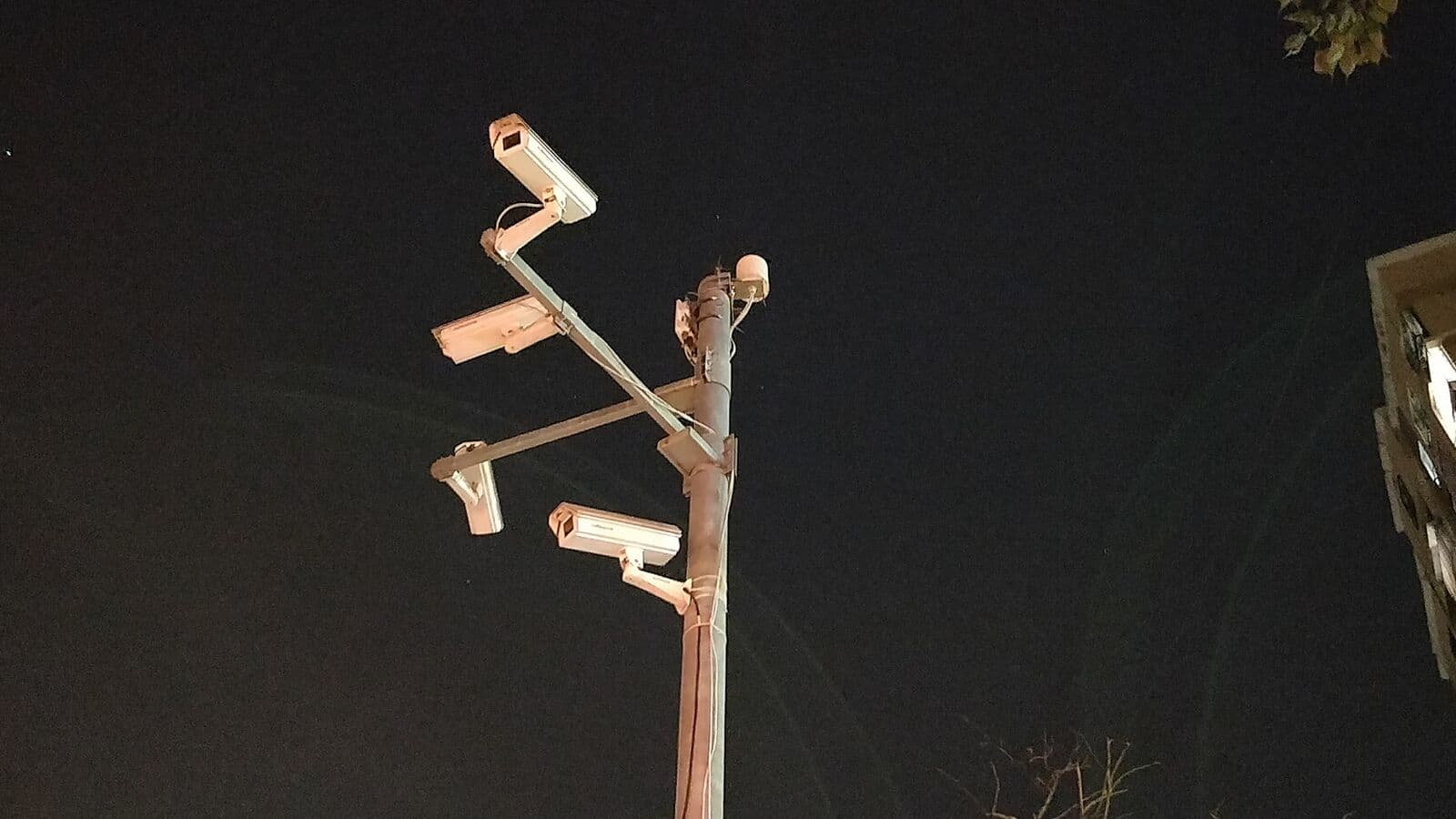
The most effective intrusion alarm systems are not single-layer solutions. They are built on the principle of defence in depth — multiple independent detection layers that an intruder must defeat sequentially to reach the protected asset. Each layer adds detection capability, increases the probability of catching an intrusion at the earliest possible stage, and provides redundancy when one layer is compromised or defeated.
This guide explains the four layers of intrusion detection — perimeter, shell, interior, and safe zone — and identifies the right technologies for each layer in Bangladesh's commercial facility context.
The Defence in Depth Model
Defence in depth treats your facility as a series of concentric protective zones, each with its own detection and delay capability:
Zone 1 — Perimeter: The outer boundary of your controlled ground. This is the fence line, boundary wall, or outermost vehicle barrier. Detection at this zone gives you the earliest possible warning — ideally before an intruder reaches the building itself.
Zone 2 — Shell: The building envelope — external walls, windows, doors, and roof. Detection at this zone alarms when the building is actually breached. Shell detection is the primary defence for most commercial alarm systems.
Zone 3 — Interior: The space inside the building. Detection here catches intruders who have passed through the shell undetected — either by circumventing detection, through a legitimately open entrance, or by concealing themselves inside before closing time.
Zone 4 — Safe Zone / Point Protection: The final layer protecting the highest-value asset — a server room, vault, pharmaceutical safe, or specific equipment. Point protection may require additional dedicated detection regardless of whether the outer layers have alarmed.
A well-designed intrusion alarm system has detection capability at all four zones. The depth of specification at each zone depends on the facility's threat profile and budget.
Zone 1: Perimeter Detection Technologies
Active Infrared (AIR) Beam Detectors
An active infrared beam detector creates an invisible curtain of infrared beams between a transmitter and a receiver unit. When a beam is interrupted — by a person climbing over a fence, passing through a gate opening, or approaching the perimeter — the alarm triggers.
Single-beam systems are used for point protection across a specific path. Multi-beam systems (2, 3, or 4 stacked beams) at a fence line prevent defeat by crawling under a single beam. Four-beam systems — with beams at ankle, knee, hip, and chest height — require an intruder to somehow pass through all four beams without triggering any, which is impractical without defeating the system entirely.
For Bangladesh's industrial perimeter applications, active IR beams are deployed along fence sections where camera coverage alone is insufficient for alarm activation. Range varies from 30 metres to 250 metres per unit, making them economical for large perimeter sections.
Bangladesh application: BEPZA export processing zone factories and large private industrial estates in Gazipur and Savar use multi-beam active IR perimeter detection along their outer fence lines, integrated with CCTV pan-tilt-zoom cameras that slew to the alarmed section automatically.
Microwave Perimeter Barriers
A microwave perimeter barrier creates an invisible zone of microwave energy between two units. Any movement within the zone — including crawling, jumping, and movement at any height — triggers the alarm. Microwave barriers are more resistant to false alarms from small animals (which pass under multi-beam AIR systems by crawling low) because they fill the entire volumetric space between units.
Detection range is typically 10–150 metres per pair. Microwave barriers tolerate fog, rain, and dust without false alarms — making them more suitable than AIR beams in Bangladesh's monsoon conditions.
Fence-Mounted Vibration (Seismic) Detectors
Vibration sensors mounted on the fence itself detect the mechanical movement caused by climbing, cutting, or physically attacking the fence. They connect to the alarm panel via the fence cable and provide a continuous line of detection along the fence rather than specific beam points.
Sensitivity must be carefully calibrated: too sensitive and they alarm with wind movement; too insensitive and they miss genuine attacks. Digital vibration analysis (examining the frequency and duration of vibration patterns rather than just amplitude) is the modern approach, producing far fewer false alarms than older analogue vibration detection.
Video Analytics as Perimeter Detection
Modern cameras with on-board AI analytics can function as perimeter detectors — drawing a virtual boundary in the camera's field of view and generating an alarm when that boundary is crossed by a human figure. This is not a replacement for physical perimeter detection (no alarm without camera coverage, and video analytics can be defeated by obscuring the camera) but is a valuable addition that provides visual confirmation simultaneously with the alarm.
Zone 2: Shell (Building Envelope) Detection
Door and Window Contact Sensors
The simplest and most reliable shell detection device: a magnetic contact sensor split between the fixed frame and the moving door or window. When the door or window opens, the magnetic circuit breaks and the alarm triggers. Extremely difficult to defeat without generating an alarm. Cost-effective and reliable over 15+ years.
For enterprise installations, specify concealed (flush-mounted) contacts rather than surface-mounted contacts where appearance and tamper resistance matter. Reinforced contacts with tamper protection in the contact housing provide additional anti-defeat capability.
Glass Break Detectors
As described in our glass break detection article, acoustic glass break detectors alarm at the moment of window breakage — before the intruder has entered the building. This is the primary advantage of glass break detectors over interior PIR: they alarm at Zone 2 (shell) rather than Zone 3 (interior), giving the earliest possible shell-breach alarm.
Position glass break detectors to cover all glazing in the zone, with particular emphasis on ground-floor windows and any glazed doors. In Bangladesh's commercial environment, ground-floor glazing on street-facing facades is the highest-risk entry point in most scenarios.
Shock and Vibration Detectors on Building Structure
Beyond glass, intruders can breach a building shell by attacking walls (especially lightweight partition walls or thin concrete construction), roller shutter doors, and ventilation openings. Shock sensors mounted on:
- Roller shutter doors detect hammering or cutting attacks
- Thin partition walls detect impact attacks
- Roof access hatches detect forced opening
- Air conditioning unit housings detect removal for duct access
In high-value Bangladesh facilities — pharmaceutical store rooms, bank strong rooms, precious metal storage — shock detectors on all wall surfaces, not just glazing, are appropriate.
Passive Infrared Curtain Detectors at Entry Points
A PIR curtain detector creates a flat plane of detection across a doorway, window, or other opening. Any movement through the plane triggers the alarm. Curtain detectors complement contact sensors at doors (the contact detects the door opening; the curtain detects passage through the opening even if the contact is bypassed) and protect window openings that might be accessed without fully breaking the glass (a sophisticated intruder using a glass-cutter).
Zone 3: Interior Detection
Standard PIR and Dual-Technology Detectors
As described in our PIR vs. Microwave vs. Dual-Tech guide, interior detection uses PIR and dual-technology detectors to cover the internal volume of protected spaces. Key positioning principles:
Corner mounting: A detector mounted in the corner of a room, angled across the diagonal, covers the maximum floor area. Position the detector so that an intruder must pass through the detection field to reach any area of the room from any entry point.
Stairwell coverage: Stairwells are high-risk zones that connect all floors. A long-range PIR or dual-tech detector at the top of each stairwell, angled downward, covers movement on the staircase from bottom to top. Supplement with curtain detectors at stair access doors.
Coverage mapping: Before finalising detector positions, draw the detection fields on your floor plan and verify that there are no undetected paths between any entry point and the highest-value assets. A direct, undetected path between a broken window and a server room is a design failure.
Passive Infrared Beam Detectors for Long Spaces
For long corridors — common in hospitals, government ministry buildings, and university facilities — long-range PIR detectors with narrow-angle corridor lenses provide detection over 30–50 metres from a single mounting position. This is more economical than multiple wide-angle detectors for long, straight corridors with good clear sightlines.
Dual-Technology Detectors for High-Sensitivity Zones
In any space where false alarms must be minimised — a server room where a false alarm causes a facility lockdown, a hospital ICU where alarm activations disrupt patient care — dual-technology detectors (AND logic) dramatically reduce false alarm rates. Specify dual-tech for all Zone 3 spaces where the environment is challenging or where false alarm consequences are severe.
Zone 4: Safe Zone and Point Protection
The innermost layer protects the single most valuable asset or space in the facility. Even if an intruder defeats all outer layers, the safe zone provides a final alarm barrier.
Seismic Sensors for Safes and Vaults
A seismic detector bonded to a safe body or vault wall detects the vibration of an attack — drilling, cutting, grinding, or hammering. Modern seismic detectors use frequency-specific analysis to distinguish attack vibrations from environmental noise (traffic, machinery). They are tamper-protected and provide continuous 24-hour monitoring regardless of system arm/disarm state.
Bangladesh Bank's physical security guidelines require additional point protection for safe and strong room areas at bank branches. Seismic sensors are the standard technology for this requirement.
Capacitance Detectors for Showcases
A capacitance detector creates an electrostatic field around a showcase or display case. Any contact with the showcase — touching the glass, placing a hand on the surface — disrupts the electrostatic field and triggers the alarm. Capacitance detectors are used in jewellery showrooms, museum display cases, and electronics retail to provide immediate alarm at the instant a showcase is touched, before a smash-and-grab attack can be completed.
PIR in Safe Zone for Redundancy
Even with seismic and capacitance protection on the asset itself, a PIR detector inside the safe zone room provides a final redundant detection layer. An intruder who somehow enters the safe zone room without triggering the seismic or capacitance sensors will activate the PIR when they move in the space.
How the Layers Work Together
Consider an intruder attempting to enter a Bangladesh bank branch at 02:00:
Attempt 1 — Perimeter breach at fence: Fence vibration sensor triggers. Zone 1 alarm activates. Guard at the monitoring centre dispatches response. Intruder is detected before reaching the building.
Attempt 2 — If the intruder avoids the fence alarm and reaches the building: Breaking a window triggers the acoustic glass break detector. Zone 2 alarm activates. Monitoring centre notified. Intruder still outside.
Attempt 3 — If the intruder enters through the window without triggering the glass break: The PIR in the main banking hall triggers. Zone 3 alarm activates. Monitoring centre notified with confirmation of interior intrusion.
Attempt 4 — If the intruder reaches the strong room: Seismic sensor on the vault door triggers on attack. Zone 4 alarm activates. Monitoring centre notified with vault attack in progress.
The intruder must defeat four independent detection layers to reach the highest-value asset. Each defeat requires additional time and sophistication. Each layer provides an independent alarm signal. The probability of successfully completing the intrusion without triggering any alarm is extremely low.
Get Expert Help
Designing a layered intrusion detection system requires detailed knowledge of your specific facility, threat profile, and existing security infrastructure. SSAL's intrusion alarm team conducts site surveys, threat assessments, and zone-by-zone detection design for commercial, banking, healthcare, and industrial facilities across Bangladesh.
We specify the right technology for each protection layer, install and commission the system to professional standards, and integrate detection with your CCTV, access control, and monitoring infrastructure.
Get Free Consultation — contact SSAL today to discuss your facility's intrusion detection requirements and design a layered defence that provides genuine, comprehensive protection.
Filed under
- perimeter detection
- interior detection
- layered security
- defence in depth
- intrusion alarm
- fence detection
- PIR
- Bangladesh commercial security
SSAL Expert Team
SSAL engineering team — Bangladesh-focused technical writing on security, fire-safety, ICT, and building technology.
Related Articles
Enterprise Alarm System Buying Guide: What Bangladesh Security Managers Need to Know
A complete alarm panel buying guide for Bangladesh security managers. Zone sizing, power backup, IP/GSM communication, VMS integration, and key vendor questions to ask.
OpenReducing False Alarms in Commercial Security Systems: Best Practice Guide for Bangladesh
Cut false alarms in your Bangladesh commercial alarm system. Best practices for detector selection, entry delay, cross-zone logic, and maintenance in heat and humidity.
OpenGlass Break Detectors vs. Motion Sensors: Do You Need Both for Complete Protection?
Learn how acoustic glass break detectors work versus motion sensors. Discover why layered protection with both technologies is essential for Bangladesh showrooms and banks.
OpenNeed Help Choosing the Right Solution?
SSAL engineers respond to RFQ submissions within 1 business day with a scoping call request.
- 48-hour site survey
- Free consultation
- 24/7 priority support