

Ict
Building Management System (BMS)
HVAC automation, energy management, BACnet/Modbus, LEED
Overview
What we offer
A complete toolkit — purpose-built for your environment.
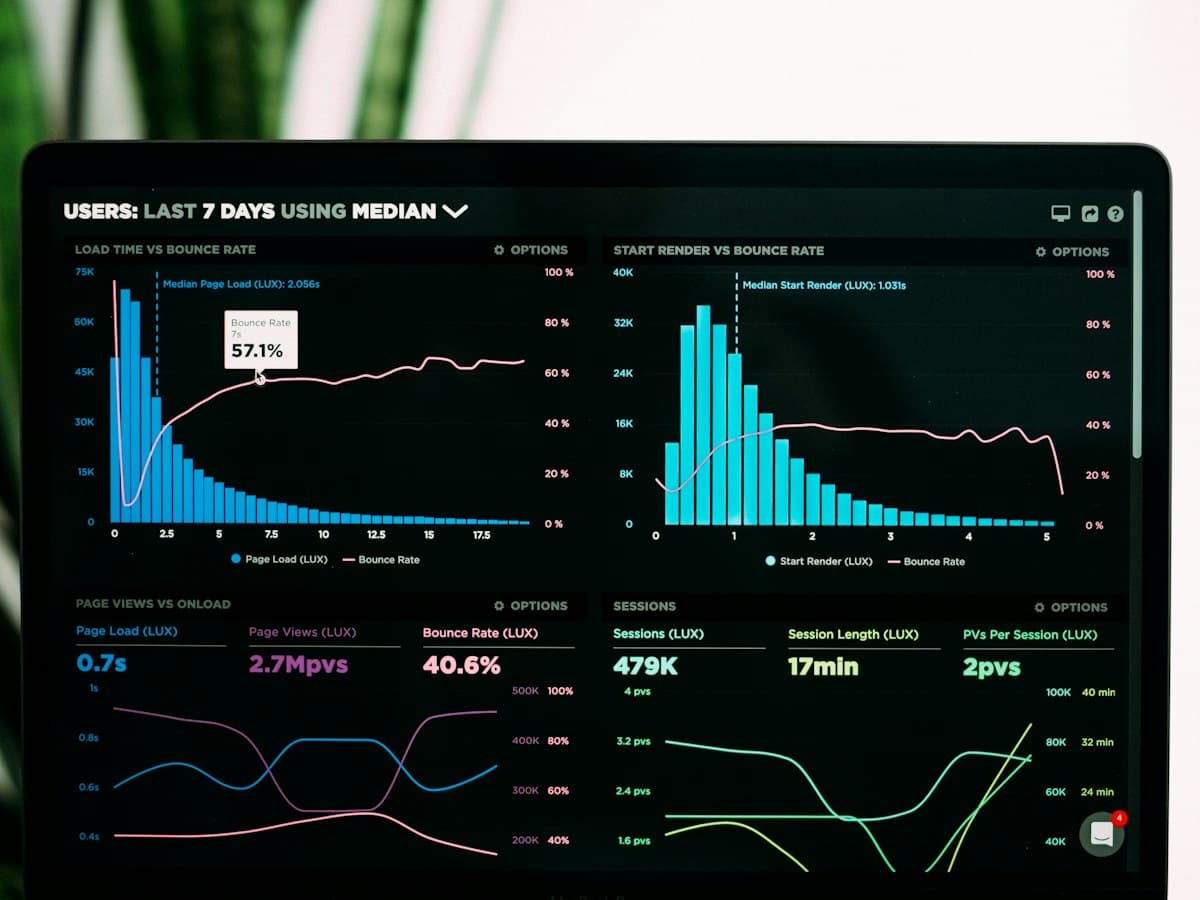
A Building Management System (BMS) — also called a Building Automation System (BAS) — is a computer-based control system that monitors and manages a building's mechanical, electrical, and life safety services from a central software platform. It connects sensors (temperature, humidity, CO₂, occupancy, energy meters, flow meters) and actuators (dampers, valves, contactors, variable frequency drives) through a network of Direct Digital Controllers (DDCs), and presents real-time data, historical trends, fault alerts, and control interfaces to your building operations team on a graphical user interface.
In Bangladesh, where electricity costs are significant and load-shedding remains a commercial reality, energy efficiency is not an abstract sustainability goal — it is a direct financial imperative. A commercial tower in Dhaka with 10,000 square metres of air-conditioned space can spend BDT 5–8 million per month on electricity. A well-implemented BMS, with optimised chiller sequencing, demand-controlled ventilation, and occupancy-based HVAC scheduling, routinely delivers 20–30% reduction in HVAC energy consumption — paying back the BMS investment within two to four years through energy bill savings alone.
Beyond energy, BMS delivers operational value that compounds over time. Fault detection and diagnostics identify failing HVAC components before they cause total failure — preventing the equipment breakdown that disrupts operations in a hospital ward, a data centre, or a factory clean room. Predictive maintenance scheduling extends equipment life. LEED energy performance documentation provides the data required for green building certification, which increasingly differentiates commercial properties in Bangladesh's competitive real estate market and satisfies international tenant ESG requirements. We deploy Honeywell EBI (Enterprise Buildings Integrator) and Siemens Desigo CC (Command & Control) — two of the world's most capable open-architecture BMS platforms — with engineering, commissioning, and ongoing support from our certified team.
Brochure summary: SSAL implements intelligent building management systems integrating HVAC automation, energy monitoring and smart controls. These solutions optimize energy efficiency, enhance occupant comfort and streamline operations — enabling sustainable, smart building environments and supporting the vision of safe and intelligent city infrastructure. Pair with our [Power Monitoring Expert (PME)](/solutions/power-monitoring-expert) solution for live electrical visibility.
Optimised HVAC Control
Chiller sequencing runs the most efficient combination of chillers at any load. AHU supply air temperature reset reduces chiller lift at part load. VAV box control delivers the right amount of air to each zone based on actual occupancy and thermal load — not worst-case design assumptions. These sequences together deliver 20–30% HVAC energy reduction compared to uncontrolled manual operation.
Energy Metering & Sub-Metering
Pulse and Modbus energy meters connected to the BMS provide real-time kWh consumption data by floor, by system (HVAC, lighting, IT load), and by tenant. Automated monthly reports support tenant energy billing, LEED energy performance credits, and management decision-making on capital investment priorities.
Intelligent Lighting Control
DALI and 0-10V lighting control integrated with BMS enables occupancy-based dimming, daylight harvesting in perimeter zones, and scheduled off-hours switching across the whole building from a single interface. Lighting control alone typically delivers 20–35% reduction in lighting energy use.
BACnet/IP & Modbus Integration
Open standard BACnet/IP and Modbus TCP protocols allow the BMS to integrate with equipment from any manufacturer — chillers, AHUs, UPS systems, generators, energy meters, and smart meters — without proprietary gateway restrictions. This open architecture protects your investment against vendor lock-in.
Fault Detection & Diagnostics (FDD)
The BMS continuously analyses plant performance against expected parameters. A chiller running 15% above expected energy consumption, an AHU heating coil valve failing to close, or a supply air sensor reading 5°C above the room temperature it reports — all are detected automatically and alarmed to your facilities team before they cause comfort complaints, equipment failure, or safety incidents.
Process
How it works
One accountable team from first site visit to handover — certified engineers, manufacturer-trained installers, and documented compliance at every stage.
Building Services Assessment
Our BMS engineers audit your existing HVAC plant: chiller capacity and condition, AHU (Air Handling Unit) and FCU (Fan Coil Unit) inventory, existing control sequences, energy meter locations, and current building management capability. For new construction, we engage with your MEP consultant during design to define the BMS control points, network topology, and integration requirements for fire alarm, access control, and generator management systems.
BMS Architecture Design
We design the complete BMS architecture: field-level sensors and actuators, DDC controller specifications and placement, supervisory network design (BACnet/IP backbone, MS/TP field buses), workstation and server specifications, and integration interfaces for third-party systems (fire alarm, UPS, generator, energy meters, elevator management). Control sequence descriptions define exactly how the BMS will manage each piece of plant — the logic that delivers energy savings and occupant comfort.
Supply & Procurement
Honeywell and Siemens BMS components — DDC controllers, input/output modules, sensors, actuators, and software licences — are procured through authorised channels. Field devices (thermostats, damper actuators, VAV boxes, energy meters, and current transformers) are selected to match your HVAC plant specifications precisely. All components arrive with manufacturer certificates of conformity and software version documentation.
Installation
Our certified BMS engineers and installation teams install field wiring, mount controllers in dedicated BMS panels, install sensors and actuators on HVAC plant, and configure the BACnet/IP and Modbus networks. Cable routes follow structured cable management — separate from power wiring, in shielded cable where required to prevent electromagnetic interference from VFDs and contactors. All BMS panels are labelled and documented to IEC standards.
Programming & Commissioning
Control sequence programming — the logic that makes your BMS deliver energy savings — is implemented in the DDC controllers and verified against your control sequence descriptions. HVAC plant is brought online systematically: chiller sequencing, AHU supply air temperature reset, VAV box calibration, FCU schedules, and lighting control integration. Commissioning is witnessed by your facilities manager and MEP consultant. Energy baselines are established for ongoing performance measurement.
Training & Handover
Your facilities management team receives comprehensive training on BMS operator workstation use: alarm management, trend viewing, schedule adjustment, and report generation. System administrators are trained on DDC programming, database backup, and software updates. You receive as-built drawings, control sequence documentation, point lists, and a maintenance guide covering preventive maintenance schedules for all BMS components. LEED energy documentation data is configured for automatic export from commissioning day.
Applications
Built for every industry
Where this solution is deployed — and the compliance environment each sector brings with it.
Commercial Office Buildings & Towers
Commercial property owners face tenant expectations for reliable air conditioning, international ESG reporting obligations, and the operating cost pressure of Bangladesh's electricity tariff structure. We deploy BMS that delivers documented energy savings, automatic fault response, and LEED energy data — differentiating your building in a competitive leasing market.
Hospitals & Healthcare
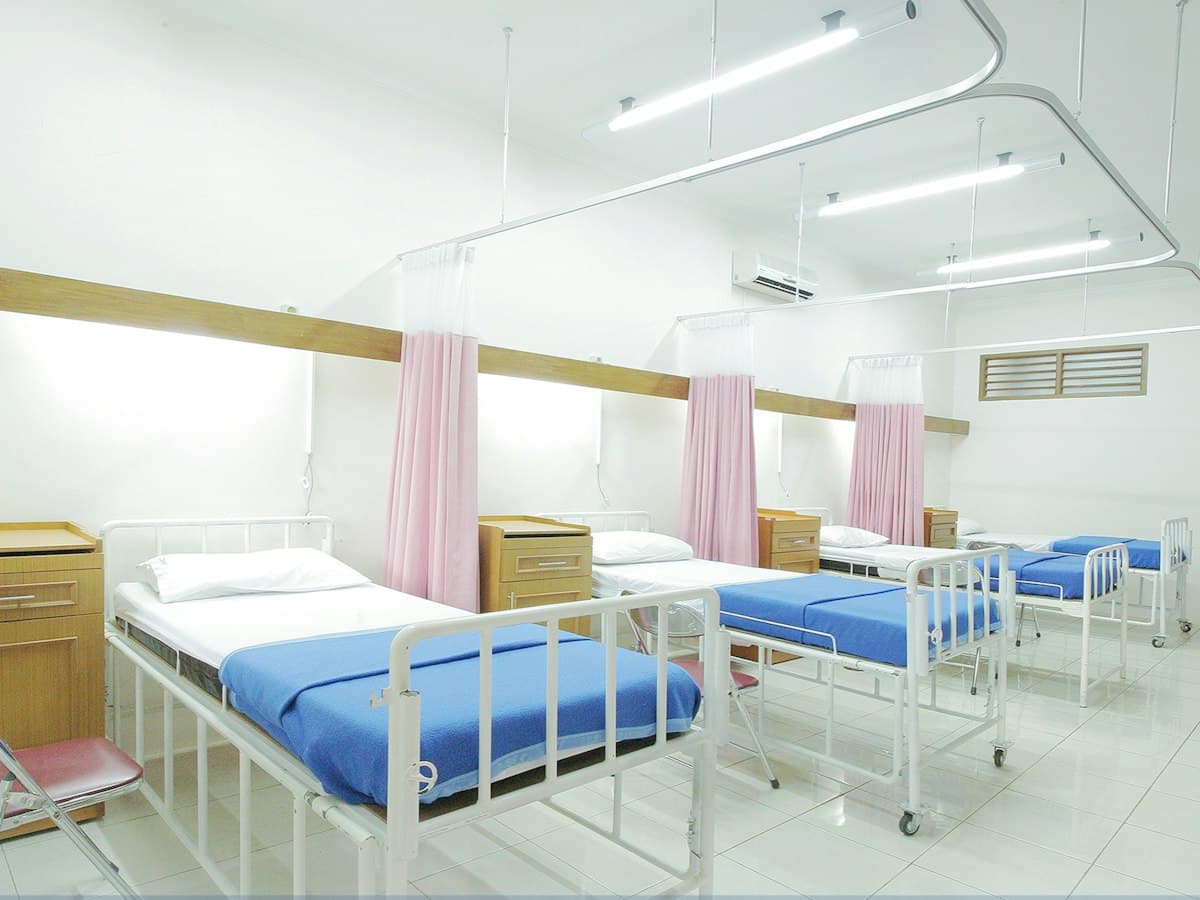
Hospital HVAC is life-critical infrastructure. Operating theatre pressure and temperature control, isolation room negative pressure, pharmacy cold chain monitoring, and ICU air quality management all require the continuous monitoring and control precision that only a BMS provides. We integrate hospital BMS with nurse call and fire alarm for a unified life safety and environmental management platform.
Garment & Textile Factories (RMG)
International buyers increasingly require factory LEED certification or equivalent environmental performance evidence as part of their supply chain sustainability commitments. We deploy BMS in RMG factories with energy sub-metering, HVAC optimisation, and LEED documentation support — helping factories meet buyer ESG requirements while reducing operating costs.
Banking & Financial Services
Bank branches and headquarters require reliable HVAC for staff comfort, server room environmental management, and branch energy cost control across large property portfolios. We deploy centralised BMS that provides branch facility managers with remote visibility and head-office property teams with portfolio energy performance dashboards.
Educational Institutions
Universities and schools have complex occupancy patterns — classroom blocks occupied only during term time and teaching hours, with libraries, laboratories, and administrative buildings on different schedules. BMS scheduling and occupancy-based control delivers substantial energy savings in educational buildings without compromising occupant comfort during teaching hours.
Hotels & Hospitality
Hotel energy management is a front-of-mind issue for international hotel brands operating in Bangladesh. Guest room energy management systems (GREMS) — integrated with the hotel PMS through the BMS — switch rooms to setback mode when guests are absent and pre-cool rooms before expected arrival, delivering 20–35% HVAC energy reduction in guest room areas.
Products & Brands
Powered by the brands you trust
We are authorised partners for every line we propose — back-to-back manufacturer warranties and channel-certified installers on every project.
Brand
What It Provides
Honeywell
Enterprise Buildings Integrator (EBI) — Honeywell's flagship open-architecture BMS platform for large commercial and institutional buildings, integrating HVAC control, energy management, fire alarm, access control, and CCTV in a single operator interface with powerful analytics and reporting capability.
Siemens
Desigo CC (Command & Control) — Siemens' convergence platform combining building management, fire safety, security, and energy management in a single client-server architecture, offering deep HVAC control capability through Siemens field controllers and seamless integration with Siemens Cerberus PRO fire systems.
Resources
Download
One-pagers and supporting collateral you can share with your team or compliance committee.
You may also be interested in
/ Solution /
Fire Safety System
Addressable/conventional alarms, sprinklers, clean-agent suppression
Explore/ Solution /
Home & Industry Automation
KNX, smart office, lighting control, IoT, HVAC scheduling
Explore/ Solution /
Modular Data Centre
Prefabricated data centres, UPS, precision cooling — Tier I–IV
ExploreRelated Industries
Commercial Real Estate & Offices
Multi-tenant security, BMS energy, structured cabling, parking, AV
OpenHealthcare & Hospitals
Patient privacy, ICU access, fire-safety NFPA 101, campus surveillance
OpenEducation & University Campuses
Campus-wide CCTV, smart-card access, exam-hall monitoring, emergency PA
OpenIndustrial & Manufacturing (incl. RMG)
BGMEA/RSC/Accord compliance, factory CCTV, biometric attendance, fire safety
OpenReady to scope this solution?
Book a free site survey or request a quotation — both are no-obligation. One accountable team from survey to handover, backed by a 24/7 support hotline.
50+
Brand partners
30+
Case studies
24/7
Support hotline